In our article on the 9 factors to consider when choosing a heavy haul carrier, one requirement was the ability to plan and run the route before the load moves. Planning ahead prevents problems in transit, cuts down on delays and damaged equipment, and avoids losses for both the customer and the broker. A big part of that planning is the pilot car (escort vehicle) company.
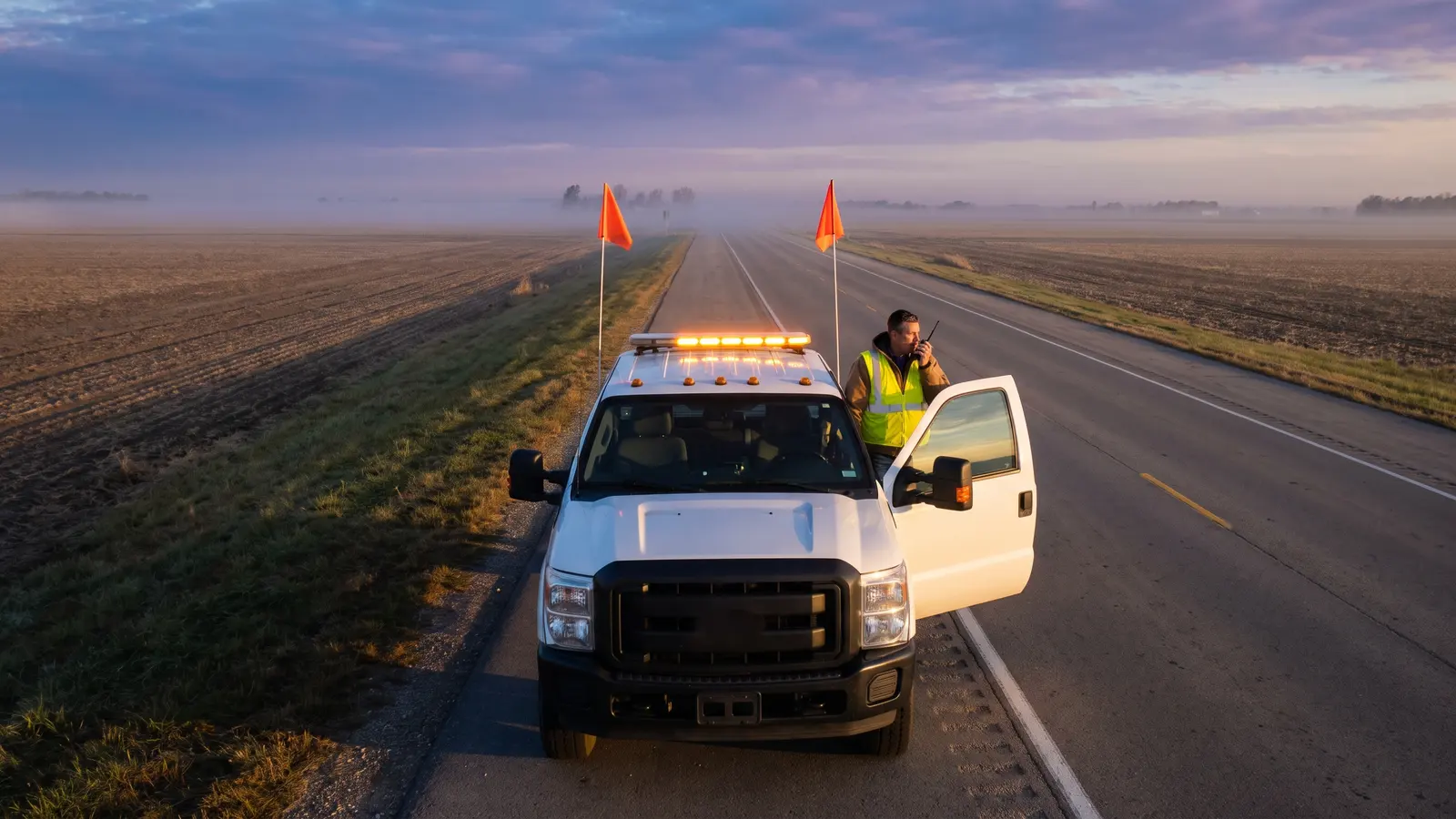
Pilot cars are used when a load is oversize or overweight and goes beyond the legal size limits on the roads it will travel. Each state sets its own permit and escort requirements, so the number of escorts and the type of escort can change from one state to the next. Check the permit conditions for every state on the route.
If you want to learn how to broker freight, including specialized loads like these, Freight University teaches the basics.
Plan the load before you plan the escort
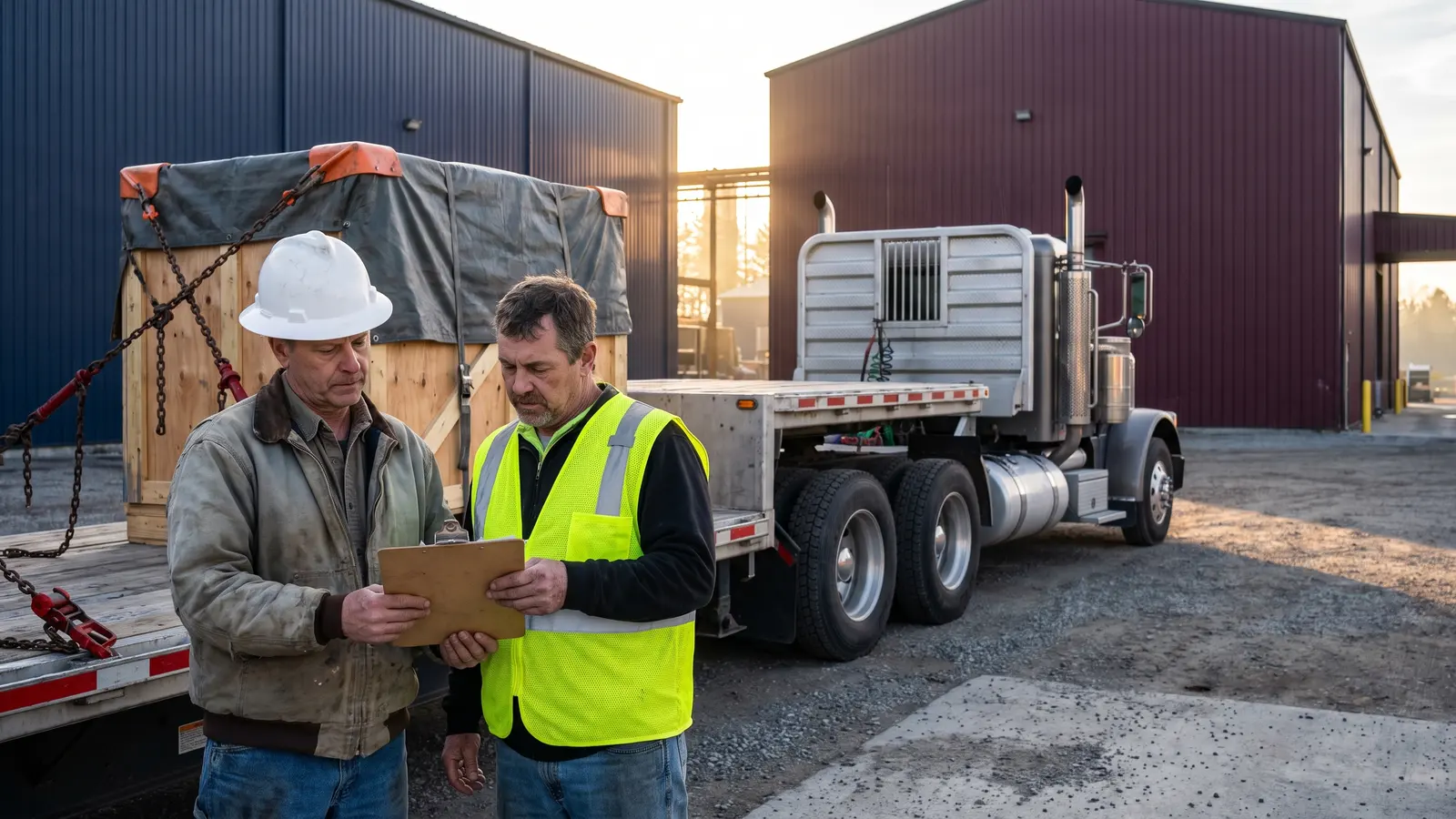
Start by gathering the configuration of the load and the equipment, along with the proposed route, the state permits and any route surveys that are needed. Decide whether the load is top heavy, overweight or over height so the right escort equipment is used (for example, a high pole car). Then put every permit, survey and regulatory document in order, and check it twice. As the broker, work closely with your customer to make sure these requirements are met.
Safety and route planning
Good pilot car teams follow detailed safety procedures, and their route planning includes contingency plans. Their job covers two areas of public safety: keeping public property such as bridges from being damaged, and keeping the motorists who share the road safe while the load is moving. Stay in regular contact with your pilot cars while the load is being delivered.
Route planning may look simple, but it isn't. The known, fixed issues on a route are identified and addressed first. Then the team has to plan for conditions that change while the load is moving.
What can affect your load and your escorts
A good pilot car service will plan for:
- Road construction
- Road closures
- Traffic flow
- Upcoming roadway restrictions or hazards
- Narrow structures
- Bridges
- Guard rails
- Raised (humped) or rough grade crossings
- Low or impaired clearances
- Changes in surrounding traffic speed or volume
- Changes in road or weather conditions
- Trees
- Utility lines
- Soft shoulders
- Stalled vehicles
- Mailboxes
- Telephone poles
- Railroad crossings
- Schools
Communication and emergency plans
Because so many known and unknown hazards exist on any route, a good pilot car company has a clear, reliable way to communicate and a plan for emergencies. No one wants an emergency, but moving an oversize load always carries that possibility. Careful over-planning keeps those events to a minimum. As the broker, be ready to manage whatever comes up while the load is moving.
Equipment and condition
Look at the type and condition of the pilot car company's equipment. A company can have strong pre-planning, hazard analysis, safety and communication procedures, and still fall short if its vehicles and equipment are substandard. A chain is only as strong as its weakest link. Shortcuts in transportation can end in loss of life, property and business. If a pilot car company can't keep its equipment in proper shape, it probably isn't the right fit for your load.
Take your time choosing
Don't choose a pilot car company quickly or without doing your due diligence. The escorts are as important as any other part of moving a high-value load safely and on time.
Source and further reading
This is a general summary of the pilot car process, drawn in part from Pilot Car Escort: Best Practices Guidelines, prepared by the Specialized Carriers & Rigging Association (SC&RA) with funding from the Federal Highway Administration and the cooperation of the Commercial Vehicle Safety Alliance. Brokers who work in heavy haul may find SC&RA's training and resources useful. For permit and escort rules, always check with each state on the route.