So you're looking for a company to handle your heavy haul transportation. When you start searching, you'll find a lot of carriers competing for the same customers, and most of their websites list the same handful of basic requirements. It's tempting to boil them down to a short list, but each of the nine factors below matters, and none of them should be skipped.
This guide is written for shippers and freight brokers choosing a heavy haul carrier for an oversize or overweight load.
1. Proper equipment, load handling and capacity
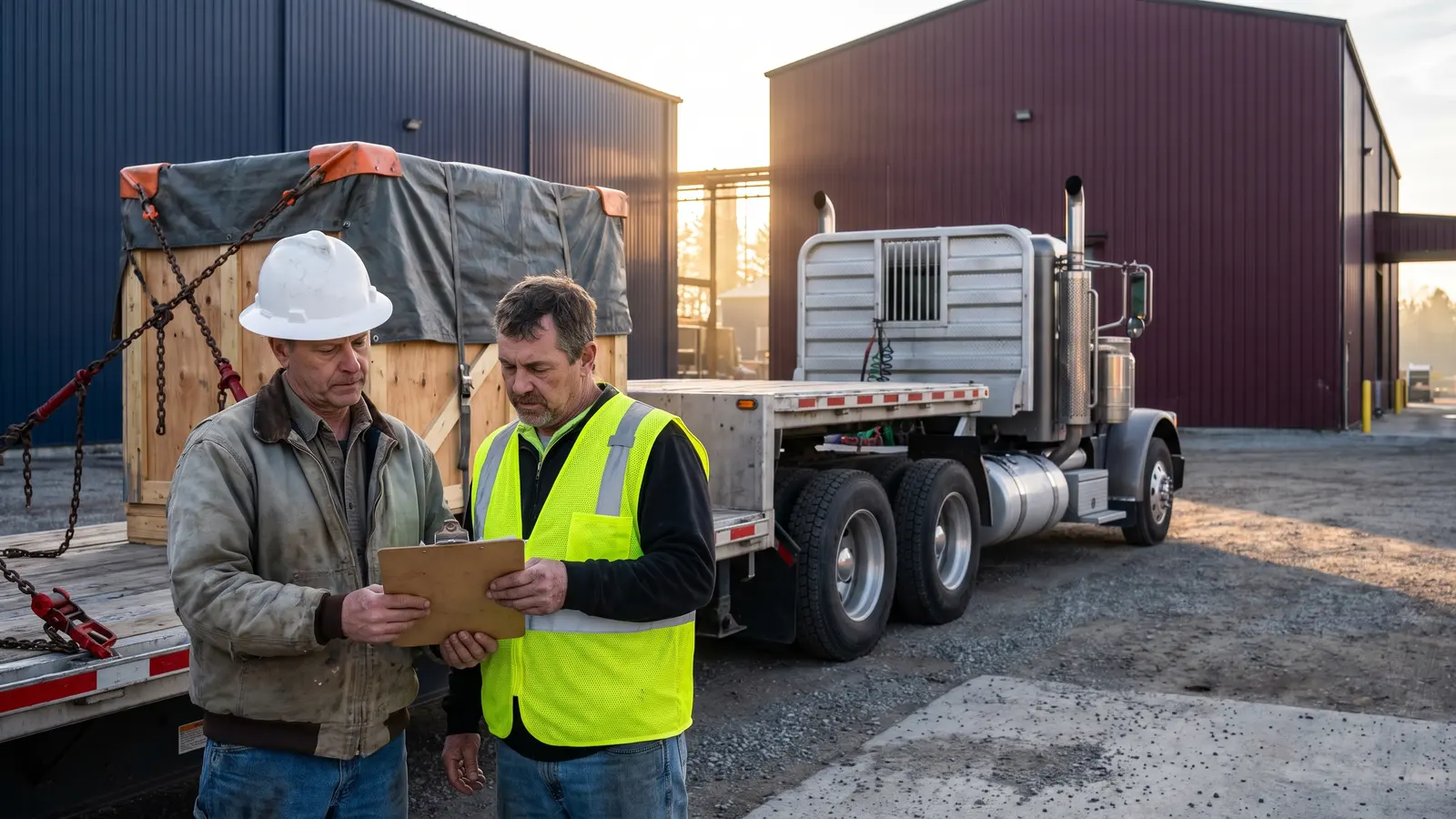
"Use the right tool for the job" applies here. The carrier you choose must have the specific equipment your load needs, including trailers that will carry it correctly and safely. Ask what trailer types and specialized equipment they run, and whether they can cover the regions your freight moves through.
2. Safety record and insurance
Look into the safety practices and record of every carrier you consider. That matters even more when you think about the value of the equipment you're trusting them to move. You can check a carrier's registration and safety information on FMCSA's company snapshot (SAFER). The carrier should also carry insurance coverage that fits the value of your load, so ask for a certificate of insurance and confirm the limits before you book.
3. Experienced heavy haul drivers
Along the same lines, use the right driver for the load. Would you trust a high-value oversize or overweight load to a driver whose only experience is a couple of years pulling a reefer? Ask how much heavy haul experience the drivers assigned to your load actually have.
4. Regulatory knowledge
Heavy haul trucking is heavily regulated, so the carrier you choose needs to know the rules that apply to oversize and overweight loads. For federal rules, see the Federal Motor Carrier Safety Administration and the U.S. Department of Transportation.
5. Route planning in advance
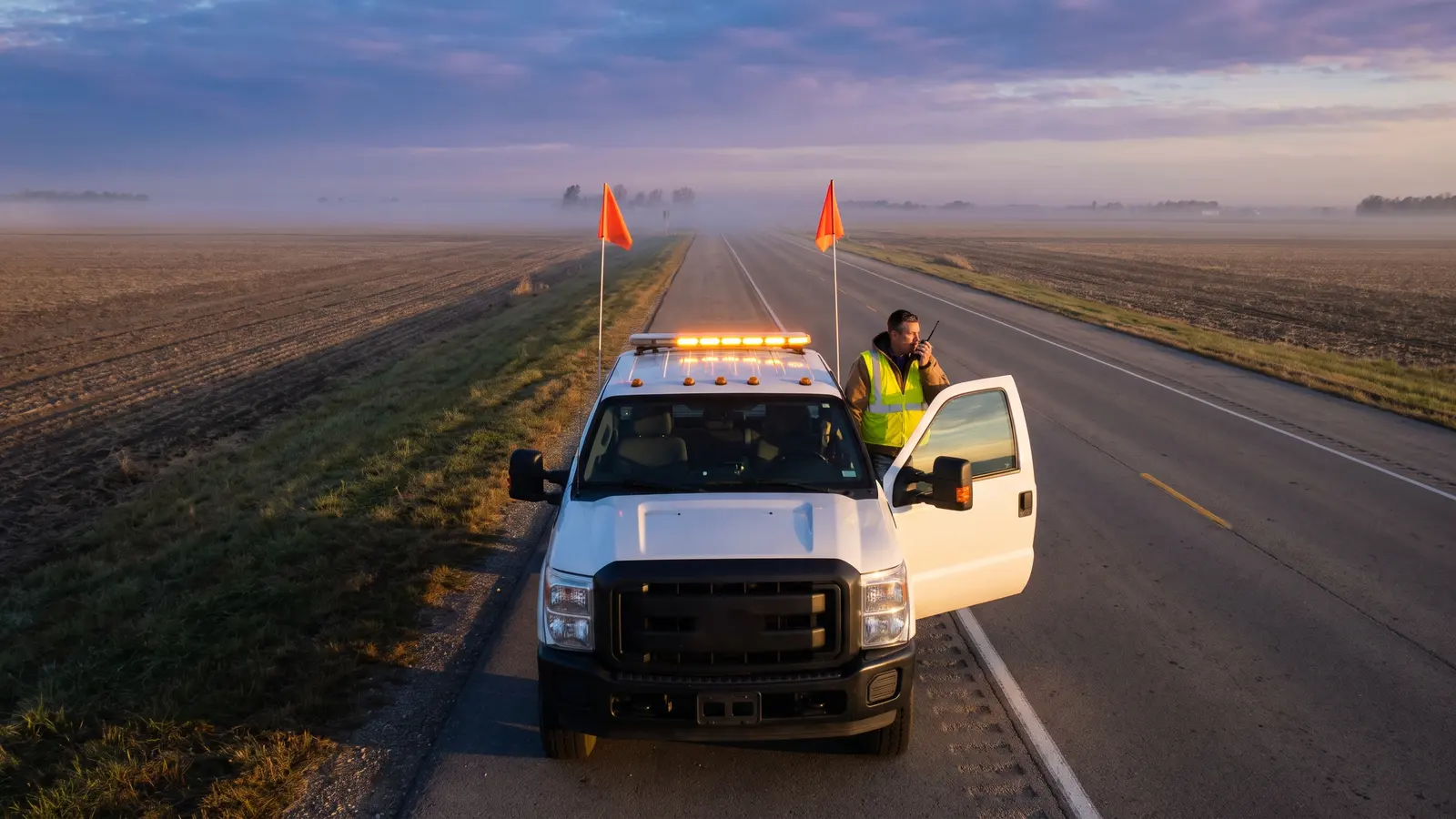
To avoid surprises in transit, a heavy haul carrier should plan and, where needed, survey the route before the load moves. Much of this is done with GPS and routing tools today, but planning also means checking clearances, bridges, construction and the escort requirements on each leg. Good planning cuts down on delays and damage, which can cost both you and the carrier money. Our article on choosing a pilot car service covers this part in more detail.
6. Paperwork and permits
Every business runs better when documents are handled well. The carrier should deliver the documents you need promptly, including permits for each state the load passes through. A dependable heavy haul carrier knows how to get those permits in order before the truck rolls.
7. Transparency
The company you choose should be open and honest in how it does business. It should answer your questions without hesitation, be willing to show examples of similar loads it has moved, and explain the cost of the move in detail.
8. Customer service
Things don't always go to plan on an oversize load. You want a carrier with knowledgeable people who communicate well and who will support you from pickup through delivery.
9. Experience
Most heavy haul carriers will tell you they meet the first eight requirements. So when everything else looks the same, what decides it? In my view, experience.
If the company is run by people with little heavy haul background, or little knowledge of trucking in general, would you trust them with your high-value equipment and your reputation? Ask yourself:
- Do they know only a few trailer types, or do they understand proper loading and securement for your kind of freight?
- Are they current on the regulations for your load, or could their gaps lead to fines down the road?
- Do they handle documents and permits well, or will delays cost you money?
- Can they operate in every state your load needs to cross, or only two or three?
- Do they know every option for planning the route, or will they learn on your load?
A poorly planned heavy haul move can cost everyone involved a great deal of money and damaged equipment.
Before you sign
Work with a heavy haul carrier that meets all nine of these requirements. Make sure the company you choose is willing to share information and answer every concern before your load is booked. If you're a broker learning to work with specialized freight, Freight University teaches the basics of carrier vetting and freight brokering.
Logistical Forwarding Solutions. A carrier-first company.