
Risks of owning a truck, in plain words
Owning a semi truck can lose money. Good management lowers some risks. It cannot remove them, and we would rather you read this page before you call us than after you buy.
Start here
People ask whether owning a semi truck is a good investment. The honest answer is that it depends on the truck, the freight market, the driver, your finances and a fair amount of luck, and we won't tell you it is.
With managed truck ownership, your truck runs with a trucking company in the LFS network, under that company's operating authority, and LFS manages it. LFS does not promise any return or any level of income. LFS is a trucking management company, not an investment adviser or a fund, and the decision to buy a truck is yours. If any risk below is one you cannot afford, managed truck ownership is not the right fit for you right now.
Truck and operating risks
Breakdowns and repair costs
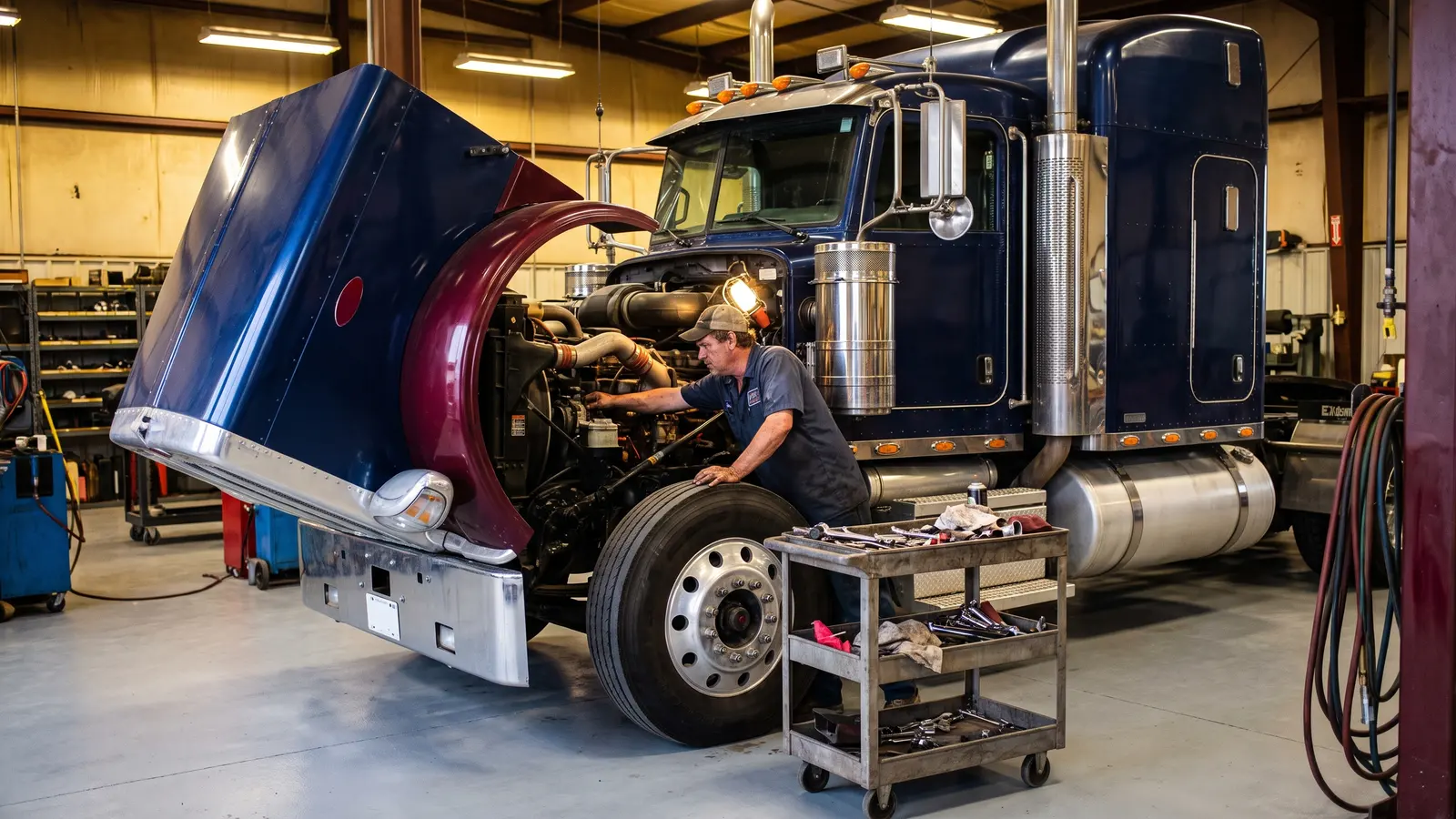
Engines, transmissions, aftertreatment systems and tires fail, sometimes without warning. A single major repair can cost more than the truck earns in weeks or months, and you pay for it.
Downtime
A truck in the shop earns nothing while the payment, insurance and other fixed costs keep coming. Parts delays can stretch downtime out.
Driver turnover
Good drivers leave, and finding the next one takes time. A truck without a qualified driver sits.
Accidents and claims
An accident can mean repair bills, cargo claims, higher insurance premiums and time off the road, even when the driver did nothing wrong.
Insurance costs
Commercial truck insurance is expensive and can rise sharply at renewal. Federal rules set minimum liability coverage for motor carriers (49 CFR Part 387), so the truck cannot run without it.
Fuel
Diesel is one of the largest operating costs, and the price moves week to week. See the U.S. Energy Information Administration's diesel data and our diesel price page.
Market, money and rule risks
Freight rate swings
Truckload rates rise and fall with the freight market. In a slow market a truck can run full weeks and barely cover its costs. Our freight market report tracks the trend.
Late or unpaid freight bills
Customers and brokers sometimes pay late, and occasionally they don't pay. Revenue earned is not money in the bank until it is collected.
Depreciation
A truck loses value every year and every mile. What you can sell it for later may be far less than you paid.
Financing risk
If you borrow to buy the truck, the payment is due whether the truck works or not. Missed payments can lead to repossession and damage to your credit.
Regulatory changes
Federal and state rules on safety, emissions, drivers and equipment change. A change can add cost or make equipment harder to run or sell. Current federal rules are posted by the FMCSA.
Losing money
Taken together, these risks mean you can lose some or all of the money you put into the truck, and if you borrowed, you can owe more than the truck is worth.
Risks that come with the arrangement itself
- One truck, one point of failure. With a single truck, one breakdown or one empty seat stops all of its revenue.
- You rely on a manager. You depend on LFS doing the work the management agreement describes. If the arrangement ends, you will need another plan for the truck.
- You rely on the network company's authority. Your truck runs under another company's operating authority. That company's safety record, insurance and compliance standing affect your truck. If its authority is suspended or it stops operating, your truck stops until a new arrangement is made.
- A new company has a short track record. Your truck may be placed with a trucking company LFS is still building. A newer company has less safety and payment history, and its insurance and compliance standing are still being established.
- Weekly results vary. Some weeks show a loss. That is normal in trucking, and it can last longer than you expect.
- Tax and legal questions are yours. How you own the truck, finance it and report the income are questions for your own attorney and accountant.
Questions to answer before you buy
If you can't answer yes to these, wait.
- I can pay for a major repair without the truck earning anything that month.
- I can make the truck payment through slow weeks with little or no revenue.
- I can afford to lose the money I put into this truck.
- My own attorney has read the management agreement.
- My own accountant has explained how ownership, depreciation and income affect my taxes.
- I am prepared to read a weekly report that shows a loss and make decisions from it.
What LFS does about these risks
We can't remove them. What we can do is reduce the blind spots: keep maintenance on schedule, keep the compliance files current, screen drivers carefully, check brokers before the truck moves, and report to you every week so you see problems early. Read the FAQ for more.
Related
Managed truck ownership with LFS
You buy and own the truck. It runs with a trucking company in the LFS network, under that company's authority, and we manage it under a written agreement.
How managed truck ownership works
Managed truck ownership splits the work. You own the truck. It is placed with a trucking company in the LFS network and runs under that company's operating authority…
Managed truck ownership: questions and answers
Straight answers to the questions people ask most about owning a truck that LFS manages.
Freight market report for small carriers
Market headlines don't pay your truck payment. This guide shows you which public freight data is worth watching, how to read it, and how to turn it into a rate you can…
Diesel fuel prices and what they mean for your costs
Fuel is one of the biggest costs a trucking company carries, and it changes every week.
DOT Maintenance Records Requirements: What FMCSA Can Ask to See
DOT maintenance records requirements explained: what 49 CFR 396.3 requires, how roadside inspections can lead to audits and how to keep files ready.
Still want to talk it through?
If you have read the risks and still want to explore managed truck ownership, send us a note and we'll set up a call.
Prefer the phone? Call 901-205-9679.
Nobody will ask you for money on a web form. This form only asks for a conversation.