The American trucking industry plays a large role in the nation's economy, and trucking companies always need equipment. That leads some people with capital to ask whether owning a semi truck or trailers, and leasing that equipment to trucking companies, is a good investment. It can be a real business, but it isn't passive and it isn't risk-free. This article explains how trailer leasing works and what to weigh before you buy.
Why some people look at owning trailers
People consider trailers for a few reasons:
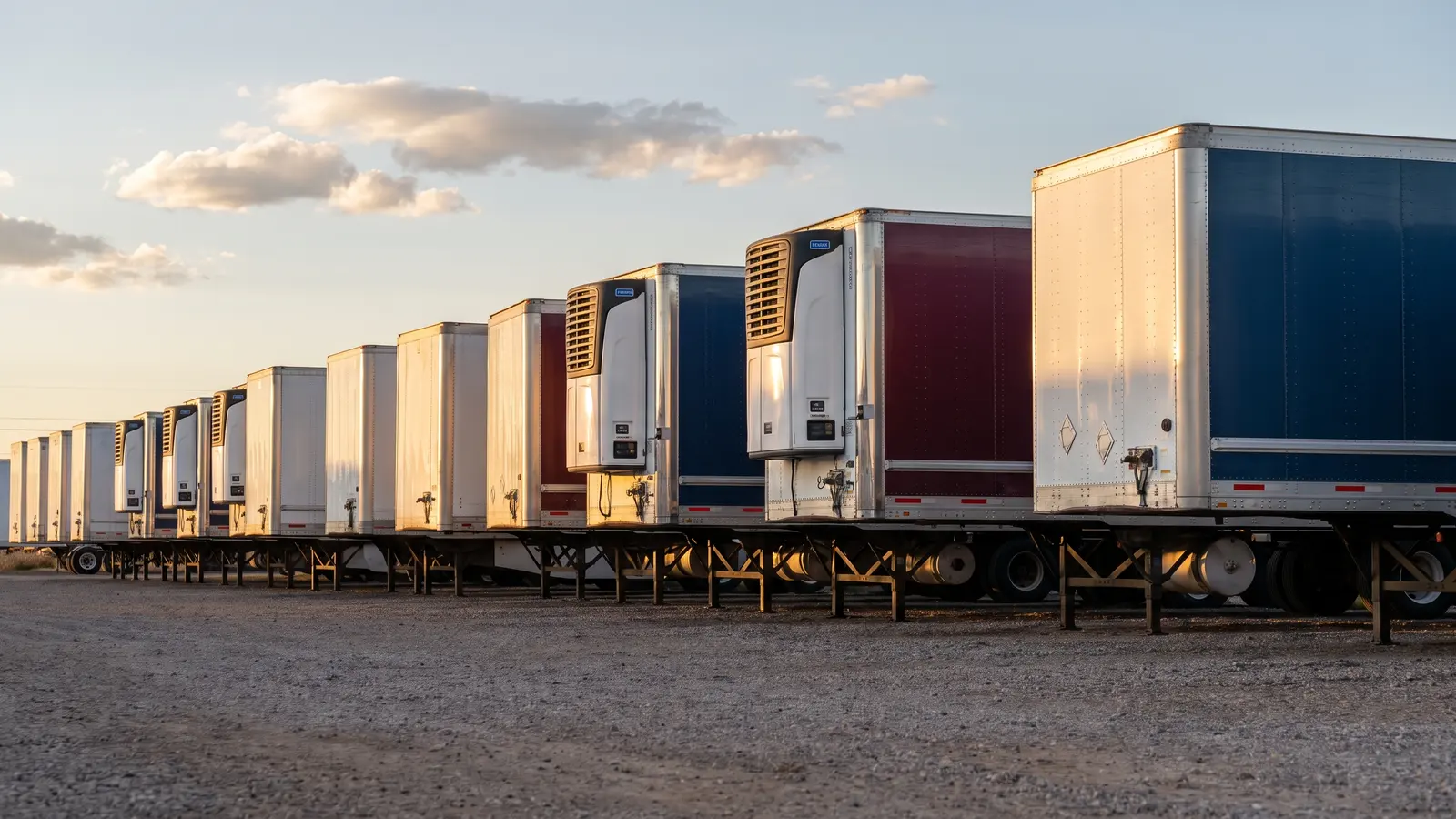
- Ongoing need for equipment. Trucking companies often need extra trailers to handle changing shipment volumes, seasonal freight or drop-and-hook customers.
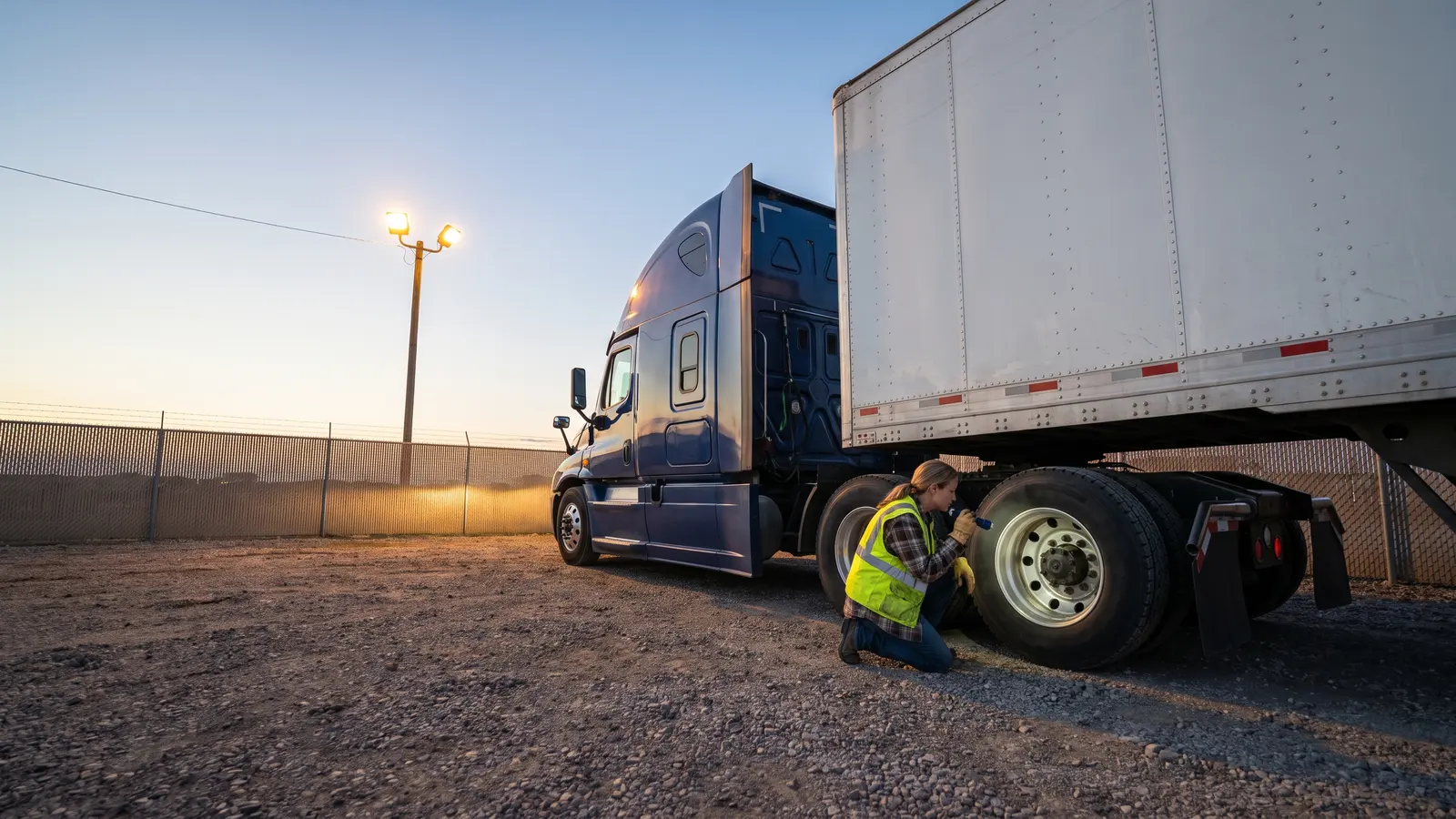
- Simpler equipment than a truck. A trailer has no engine or emissions system, so it can be less complicated to own than a tractor. It still needs tires, brakes, lights, inspections and, for reefers, refrigeration unit service.
- Start small. An owner can begin with one trailer and decide later whether to add more, based on how the first one actually performs.
How leasing trailers to trucking companies works
- Purchase and maintenance. The owner buys trailers, or finances them, and keeps them in safe working condition. Regular maintenance matters for safety and resale value.
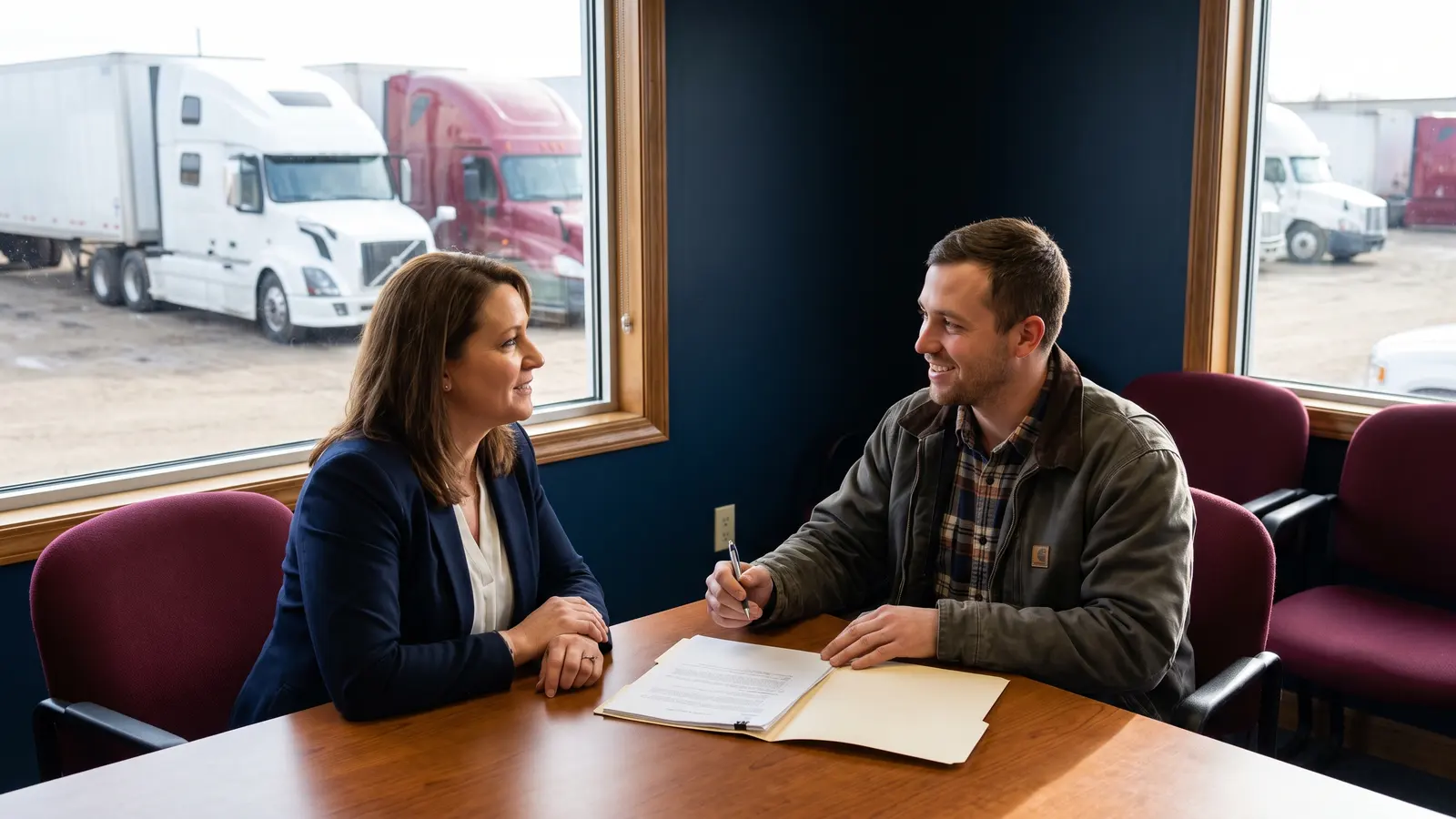
- Lease agreements. The trailers are leased to trucking companies under written agreements. Terms can be short or long, and should spell out who pays for maintenance, tires, repairs, insurance and damage, and what happens if the lessee stops paying.
- Lease payments. The trucking company pays a fee for using the equipment, as long as the lease is in place and the lessee keeps paying.
Leasing to established trucking companies
Leasing to a well-established trucking company can lower some of the risk compared with leasing to a brand-new authority, but it doesn't remove it. A strong lessee can still slow down payments or end a lease when freight drops. Lease agreements often include maintenance and insurance requirements, but enforcing them takes time and sometimes legal cost. Spreading trailers across more than one lessee may reduce the impact of losing one, but it also means more agreements and more equipment to keep track of.
What to weigh before buying trailers to lease
Before you buy, look honestly at these costs and risks:
- Purchase or financing cost. The price of the trailer, plus interest if you finance it. Financing payments are due whether or not the trailer is leased.
- Maintenance. Tires, brakes, lights, inspections, doors, floors and, on reefers, the refrigeration unit. Some of this may fall on you depending on the lease.
- Insurance. You'll need coverage appropriate to owning equipment that's on the road under someone else's operation.
- Idle time. A trailer that isn't leased earns nothing and still costs money to store, insure and finance.
- Lessee non-payment. A lessee can pay late, stop paying or go out of business. Recovering the trailer or the money owed can take time and legal cost.
- Damage and wear. Trailers come back with damage, and disputes over who pays for it are common.
- Depreciation. Trailers lose value over time. Refrigeration units and older equipment can lose value faster.
- Resale uncertainty. What a used trailer will sell for depends on its condition and the market when you sell. Nobody can promise a resale price.
You can lose money owning trailers. Talk with an accountant and an attorney, and read every lease agreement carefully before committing capital.
If you're interested in owning a truck managed by LFS
LFS doesn't run a trailer leasing program. LFS does offer managed truck ownership, where an owner buys a truck and LFS manages its operation. It carries the same kinds of risk described above, and no return is promised. Read the risks and disclosures before you consider it.
Logistical Forwarding Solutions. A carrier-first company.