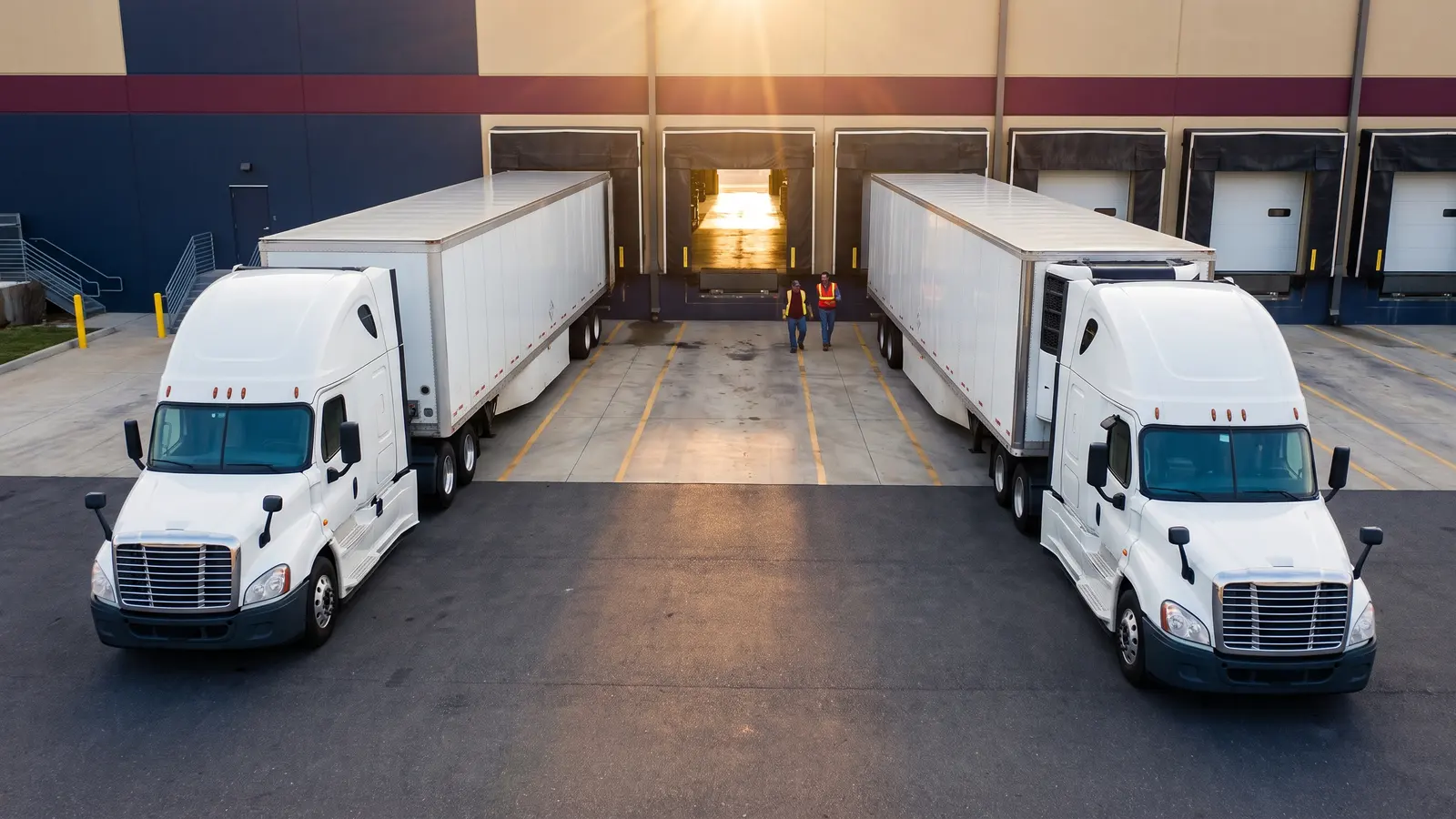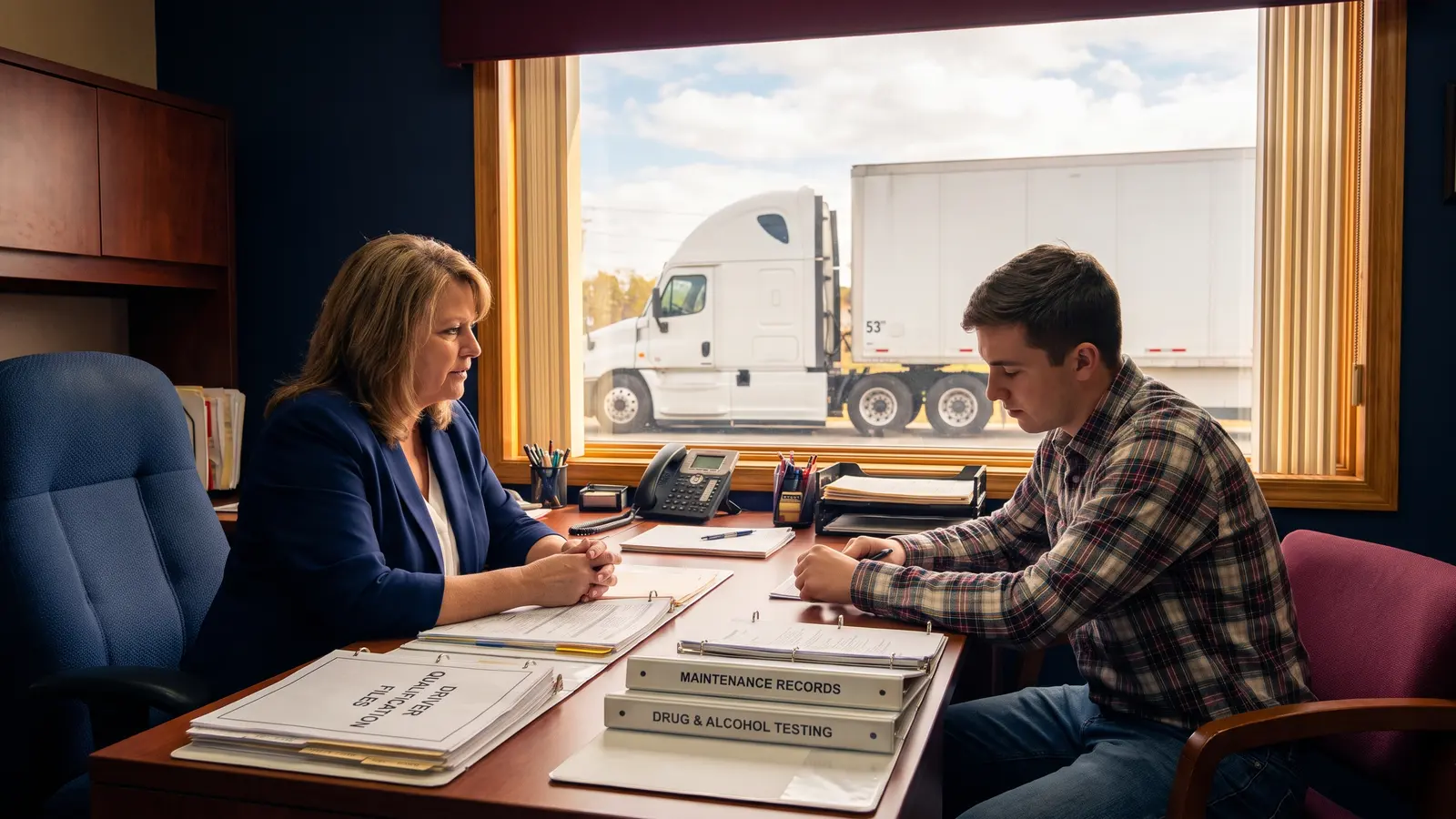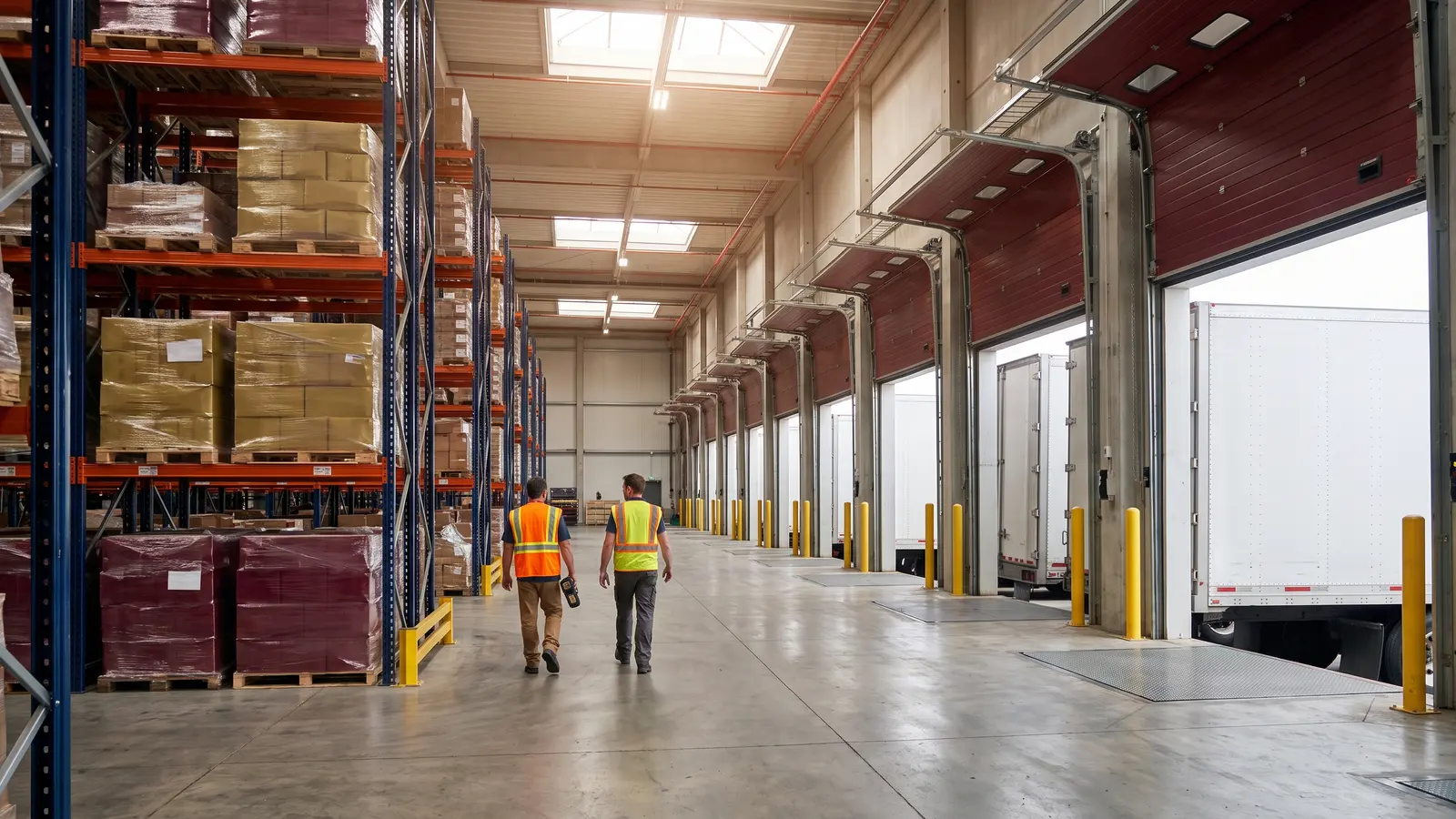
A 3PL, or third-party logistics provider, is a company that runs some or all of another company's logistics for it: warehousing, freight transportation, order fulfillment, returns and the systems that tie them together. The business that owns the goods hands that work to the 3PL so it can focus on making and selling its products.
That's the short answer. The longer one matters if you run a trucking company, because almost every 3PL needs carriers to move the freight it manages.
What is 3PL in logistics?
The Council of Supply Chain Management Professionals describes third-party logistics as outsourcing all or much of a company's logistics operations to a specialized company (CSCMP, via SupplyChain247). The "third party" is the provider in the middle. The first party is the company shipping the goods, and the second party is its customer.
In the United States this is a big industry. Armstrong & Associates estimates U.S. 3PL gross revenue at about $323.4 billion for 2025 (Armstrong & Associates).
What does a 3PL do?
Most 3PLs do one or more of these:
- Transportation management. Planning and buying freight transportation for the shipper, often by arranging trucks the 3PL doesn't own. This is the largest part of the U.S. market, about $128.3 billion in 2025 by Armstrong's estimate.
- Warehousing and distribution. Receiving, storing and shipping inventory, often with extra services like labeling, kitting and returns. About $72.7 billion.
- Dedicated contract carriage. Trucks and drivers assigned to one customer's freight under contract. About $32.0 billion.
- International transportation management. Ocean, air and customs coordination for imports and exports. About $85.9 billion.
- E-commerce fulfillment. Picking, packing and shipping individual orders for online sellers.
3PL vs. 4PL vs. freight broker vs. carrier
These words get mixed up. Here is how they differ:
| What they do | Own trucks? | |
|---|---|---|
| Motor carrier | Hauls the freight under its own operating authority | Yes |
| Freight broker | Arranges transportation between shippers and carriers | No |
| 3PL | Runs part or all of a company's logistics: freight, warehousing, fulfillment | Sometimes |
| 4PL | Manages the whole supply chain, coordinating several 3PLs and carriers for the client | Usually not |
A 4PL acts as one point of contact between the client and many logistics providers. Many 3PLs also hold broker authority for the freight they arrange. Every one of them depends on carriers to move the load.
How much do 3PL services cost?
3PL pricing is usually built from several fees. Averages from one 2026 warehouse pricing survey give a sense of scale (Fulfillment Advisor survey):
| Fee | Survey average |
|---|---|
| Receiving | About $8.75 per pallet |
| Storage | About $19.37 per pallet per month |
| Pick and pack (online orders) | About $2.73 per order |
| Pick and pack (business orders) | About $4.86 per order |
Real quotes vary with your volume, product, location and service levels. Freight is usually billed on top, either at the 3PL's rates or on your own carrier accounts.
Benefits of using a 3PL
Businesses use 3PLs to avoid building their own warehouses and transportation departments, to grow or shrink without hiring, and to reach customers faster from more locations. The 2026 Annual Third-Party Logistics Study found that 88% of shippers called their 3PL relationships successful. The same study found only 36% of shippers felt confident in their defenses against freight theft (NTT DATA, 2026 3PL Study). That second number is worth remembering.
How to choose a 3PL
If you're a shipper weighing a 3PL, ask:
- What freight and products do you handle every day? Ask for examples like yours.
- Which carriers move my freight, and how do you vet them?
- How do you prevent theft, double brokering and identity fraud?
- What are your inventory accuracy and on-time shipping rates, and are they in the contract?
- Does your system connect with mine, and who owns the data?
- What fees are in the contract, and what triggers extra charges?
Where trucking companies fit in 3PL freight
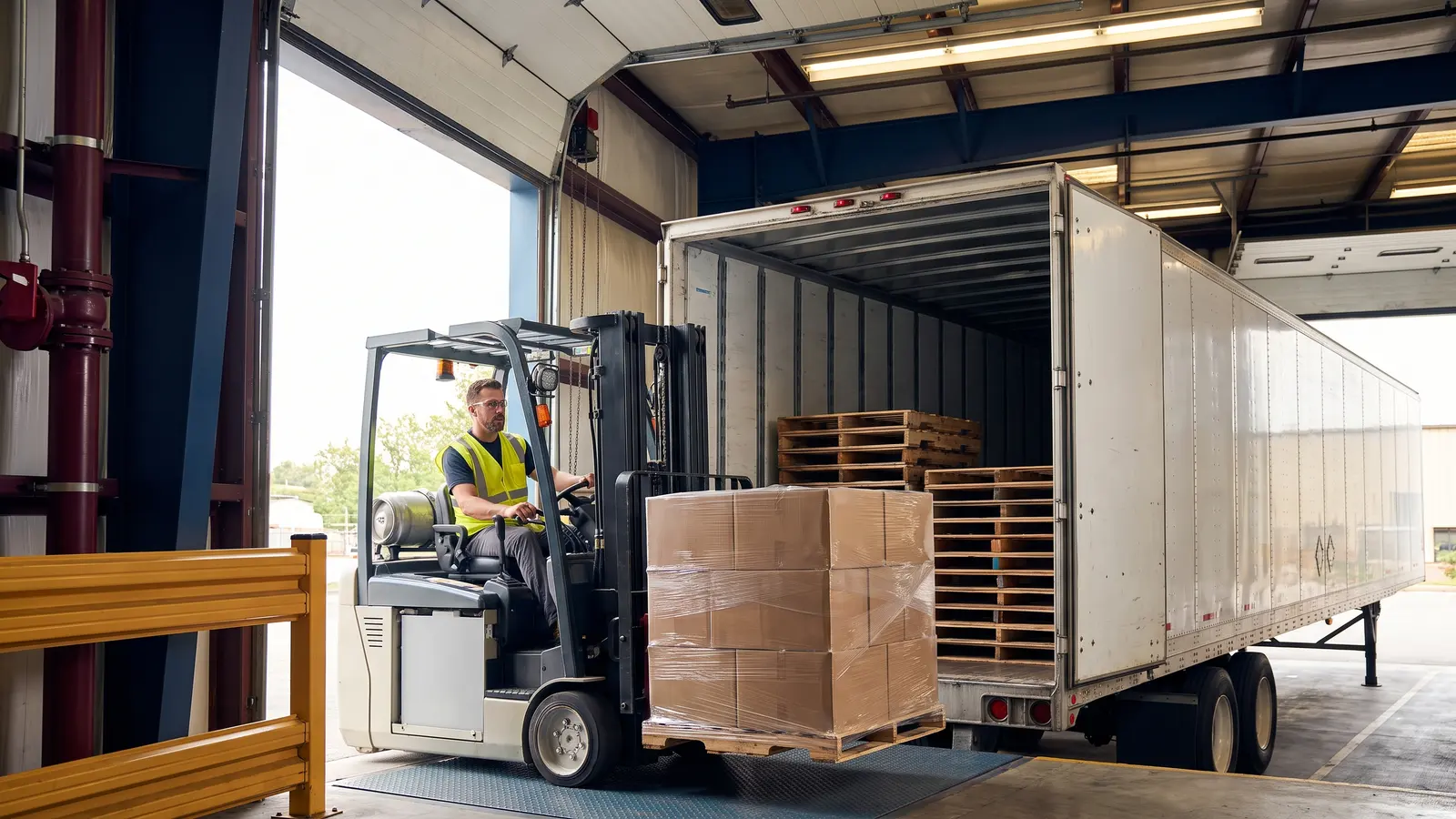
Every pallet a 3PL stores eventually leaves on a truck. For a small carrier, 3PLs can be steady customers, but they're particular. They usually want a clean safety record, current insurance with the right cargo limits, on-time pickups and deliveries, and quick, clean paperwork. Dedicated lanes for a 3PL can give a small carrier the steady freight that keeps it alive through a soft market.
Start with your own numbers and reputation. Know your cost per mile, keep your compliance clean, and build the record that gets you on a 3PL's carrier list. How owner-operators find loads covers building relationships with direct shippers and core brokers.
Where LFS fits
Let's be clear: LFS is not a 3PL, and we don't run warehouses. We are a carrier-first company. We help the small trucking companies that haul America's freight stay compliant, loaded and paid, through trucking company management, freight research and DOT compliance. If you want to learn how logistics works from the inside, Freight University teaches it free.
Sources
Questions and answers
What is a 3PL company?
A 3PL, or third-party logistics provider, is a company that runs part or all of another company's logistics: freight transportation, warehousing, order fulfillment and returns. The business that owns the goods hands that work to the 3PL.
What is the difference between a 3PL and a 4PL?
A 3PL performs logistics work such as warehousing and arranging freight. A 4PL manages the whole supply chain for a client, acting as one point of contact that coordinates several 3PLs and carriers.
Is a freight broker a 3PL?
A freight broker arranges transportation between shippers and carriers. Many 3PLs hold broker authority and arrange freight, but a 3PL may also run warehouses and fulfillment. A broker focused only on matching loads with trucks is narrower than a full-service 3PL.
How much does a 3PL cost?
3PLs usually charge separate fees for receiving, storage and pick and pack, plus freight. One 2026 survey averaged about $8.75 per pallet to receive, $19.37 per pallet per month to store, and $2.73 per online order to pick and pack. Real quotes depend on your volume and product.
Logistical Forwarding Solutions. A carrier-first company.