

Freight broker agent training with job placement
Our freight broker agent training is the PLSP program: Professional Logistics Service Provider. Everything we teach lives inside it: brokering, dispatching, freight research, compliance and building trucking companies. You learn it live and hands on, with live carriers and real freight, and you finish with a PLSP certification. Qualified graduates are offered job placement with a freight brokerage in the LFS network.
We are a carrier-first company.

What is a PLSP? More than a freight broker agent
PLSP stands for Professional Logistics Service Provider. It's the name of our training program, and it's the name of what you become.
The main job of a PLSP is to keep the carrier alive and grow their business. The carrier is the trucking company, and the carrier is your client. A PLSP doesn't just keep a trucking company the way it is. A PLSP helps build it: finding better freight, putting freight research to work, growing from one truck to more equipment, finding more good drivers, and landing direct shipper freight.
And a PLSP handles the back office that keeps the carrier open: compliance, filings, checking every broker, the paperwork, and making sure the money actually comes in.
Most small trucking companies don't fail because the owner can't drive, and they don't fail because there's no freight. There is always freight. They fail because nobody is handling the business underneath the truck, and nobody is helping it grow. A PLSP fills that gap.
That's why freight broker agent training, dispatcher training and everything else we teach all live inside one program. You'll be able to book the load, dispatch the truck, keep the carrier legal and help grow the company, start to finish.
- Keep the carrier alive
- Grow the carrier's business
- Freight research, more equipment, more drivers
- Direct shipper freight
- Compliance and the back office
- Freight broker agent and dispatcher in one

Why brokerages say yes to a PLSP
Here's something most freight broker training won't tell you. If you call a freight brokerage, brand new, and say you want to be an agent, most of them will say no.
They'll ask two questions. Do you have experience? And do you have a book of business? A book of business means shippers and carriers who already work with you. If you're new, the honest answer to both is no, and the door closes. It isn't personal. Freight is a federally regulated industry, and one wrong load can cost a brokerage a lot of money. Most firms don't want to train someone from scratch.
The PLSP certification is what gets you through that door. By the time you're certified, you've already done the work. You've researched real freight markets. You've worked with a real carrier. You've checked brokers and carriers the right way, negotiated a real rate, and read a rate confirmation line by line. You know the compliance rules and where to find them.
That's why brokerages in the LFS network accept PLSP graduates. They know exactly what a PLSP has been trained on, because they know the program. You don't walk in as a beginner asking for a chance. You walk in as a Professional Logistics Service Provider.
- No experience? The program gives you real experience
- No book of business? You start building one in training
- Trained on everything a brokerage needs from an agent
- Certification brokerages in our network recognize
- You walk in ready, not hoping
What you'll learn in the PLSP program
Freight broker agent training, dispatcher training and everything below aren't separate courses. They're all taught inside the PLSP program, live, and then put to work on real freight. No logistics background needed. We explain every term in plain words. For the full breakdown, see the PLSP program.
- How freight really moves. Who's who in trucking: the shipper (the company with the freight), the carrier (the trucking company), the broker (the middleman who connects them) and the agent. You follow one real load from the first call to the day it's paid.
- Freight research, the heart of everything. How to find where the freight is, what a lane pays, which brokers and shippers move it, and which ones are worth your phone call. You build your own freight map for one region.
- The 12 rules of the perfect load. Time, money, direction, distance, schedule, how often it runs, waiting time at the dock, whether the driver touches the freight, unloading fees, getting paid, safety and paperwork. You learn to judge any load before you book it.
- Finding shippers. How to find the companies that ship freight in your area, research them and reach them the right way.
- Working with carriers. How to find owner-operators and small fleets, earn their trust, set them up the right way, and keep them loaded week after week.
- Checking carriers and brokers. How to look up a company's authority, insurance and safety record on FMCSA's own systems, so you know who's real before a load moves.
- Stopping freight fraud. Double brokering, fake carriers, stolen identities and fake paperwork: what they look like and how to stop them at the door.
- Compliance. The rules a trucking company and a brokerage live by: authority, insurance filings, driver files, yearly filings, audits and the $75,000 broker bond or trust.
- Dispatching. Planning a truck's week, booking loads in the carrier's name, check calls, paperwork and getting the carrier paid. See dispatcher training.
- Brokering and negotiation. Quoting, negotiating a fair rate, and reading a rate confirmation (the written agreement for a load) line by line.
- Money: factoring and cash flow. How carriers get paid, how factoring works, which brokers pay fast and which pay slow, and how to keep cash moving.
- Growing your client's business. The carrier is your client. You learn to help them find better freight and direct shipper freight, grow their equipment, find more good drivers, and keep the company alive while it grows, with a weekly look at the ten things that kill trucking companies.
- Our proprietary back office system. How LFS runs its network on its own internally built software, and the tools PLSPs work with every day.
- Being carrier first. The mindset behind all of it: the person who owns the truck and carries the risk comes first, on every load.

How you learn to broker freight
A freight broker connects a company that needs freight moved with a trucking company that can move it. A freight agent does that work under a brokerage's license. PLSP teaches you the whole job.
You learn the cycle a freight broker agent runs every day: find the shipper, research the lane, price the load, book a carrier you've checked, follow the load to delivery, and make sure everyone gets paid what was agreed. The rule we teach is simple: if it isn't on the rate confirmation, it doesn't exist.
You learn the numbers, too. How a rate is built. What it really costs to run a truck per mile. Why a rate that works for the shipper but starves the carrier is a load you'll lose next week.
And you learn the rules. To broker freight in your own name, FMCSA requires broker operating authority and $75,000 in financial security, a BMC-84 surety bond or a BMC-85 trust fund. Since January 16, 2026, if that security drops below $75,000 and isn't restored within seven business days of FMCSA's notice, the broker's authority is suspended. As an agent, you book freight under the authority and financial security of the brokerage you work with.
We always say it in training: a license is not a business. Your service is. When you're ready for a brokerage of your own, LFS builds freight brokerages, and our guide on how to become a freight broker walks through every step.
- Finding and quoting shippers
- Lane research and rate building
- Negotiating with carriers and brokers
- Reading every rate confirmation
- Freight broker vs. freight agent
- Broker authority and the $75,000 bond or trust
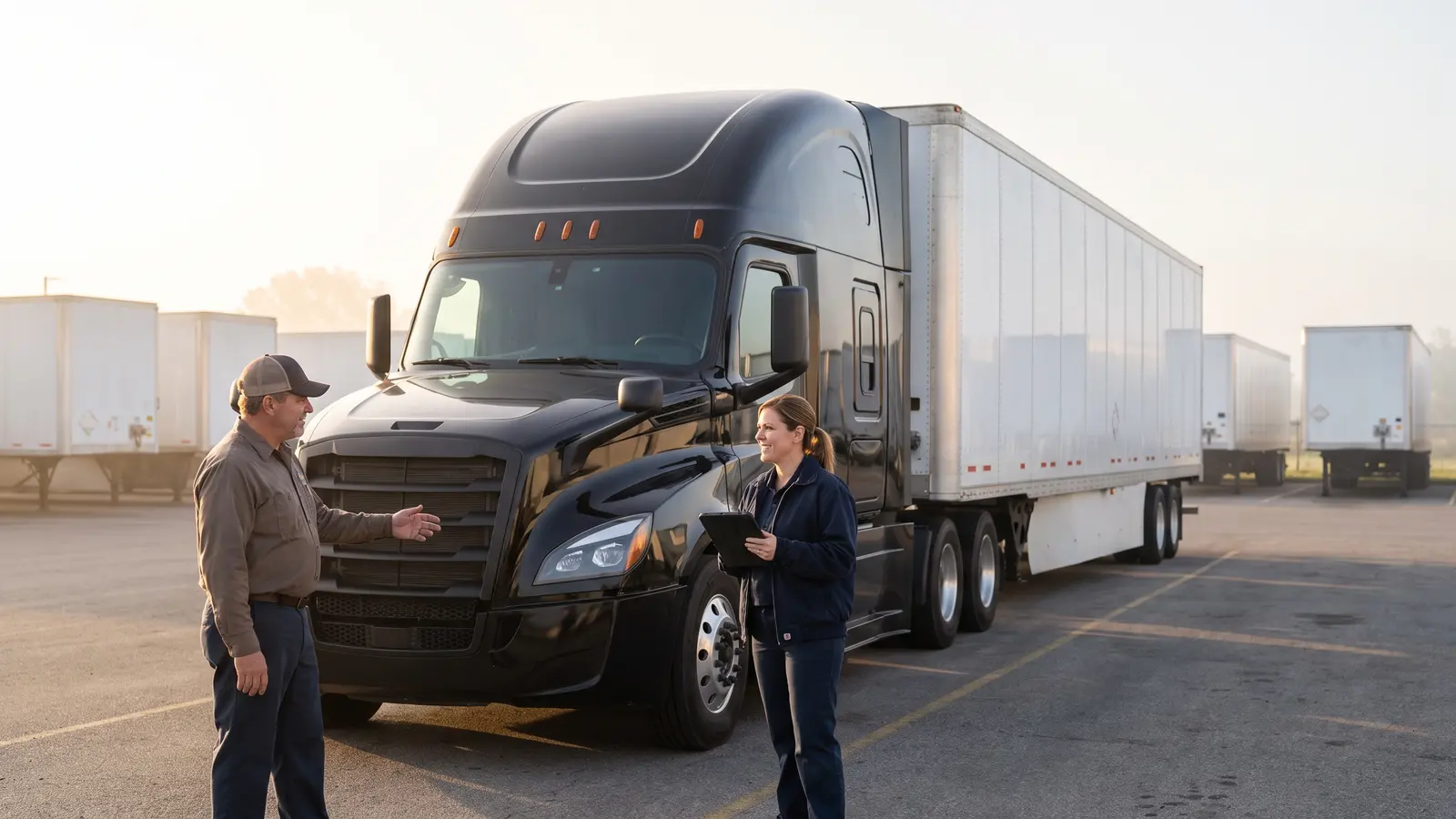
Hands on: live carriers, real freight
This is what makes PLSP different. You don't just study freight. You work it.
Early in the program, you find a real carrier: an owner-operator or a small fleet running 53-foot dry van, refrigerated or power only freight. That carrier is the one you carry through the whole program. You research their lanes, call brokers on their behalf, check the broker on the other side of every load, and follow their truck from pickup to delivery. You learn what it takes to keep a truck loaded, legal and paid, because you're doing it alongside our team.
Every week, you build something real: a market read, a list of shippers, a lane sheet, a driver file, a negotiated rate. Every load moves under the authority of the company it belongs to, with our team beside you the whole way.
By the end, you haven't just learned about freight. You've moved it.
- A real carrier from the start
- Real broker calls on real loads
- Something real built every week
- Freight research on live lanes
- Our team beside you on every load
- You finish with experience, not just notes

Dispatcher training is part of every PLSP
A dispatcher finds and books freight for a trucking company and keeps the truck moving. In PLSP, every student learns to dispatch, because a Professional Logistics Service Provider can do the whole job.
You learn to plan a truck's week, match loads to the driver's hours, negotiate the rate, handle the paperwork and get the carrier paid. You learn to dispatch the way our own dispatch service works: loads booked in the carrier's name, with the carrier's say on every load, and every rate confirmation shown to the carrier. Transparency is everything.
And you learn the line every dispatcher has to know: when dispatching turns into brokering under federal rules. That's why our dispatchers learn brokering too. Read more about our truck dispatcher training.
- Planning a truck's week, not just one load
- Booking loads in the carrier's name
- Check calls, paperwork and getting paid
- Every rate confirmation shown to the carrier
- Where dispatching ends and brokering begins
- The same training behind our dispatch team
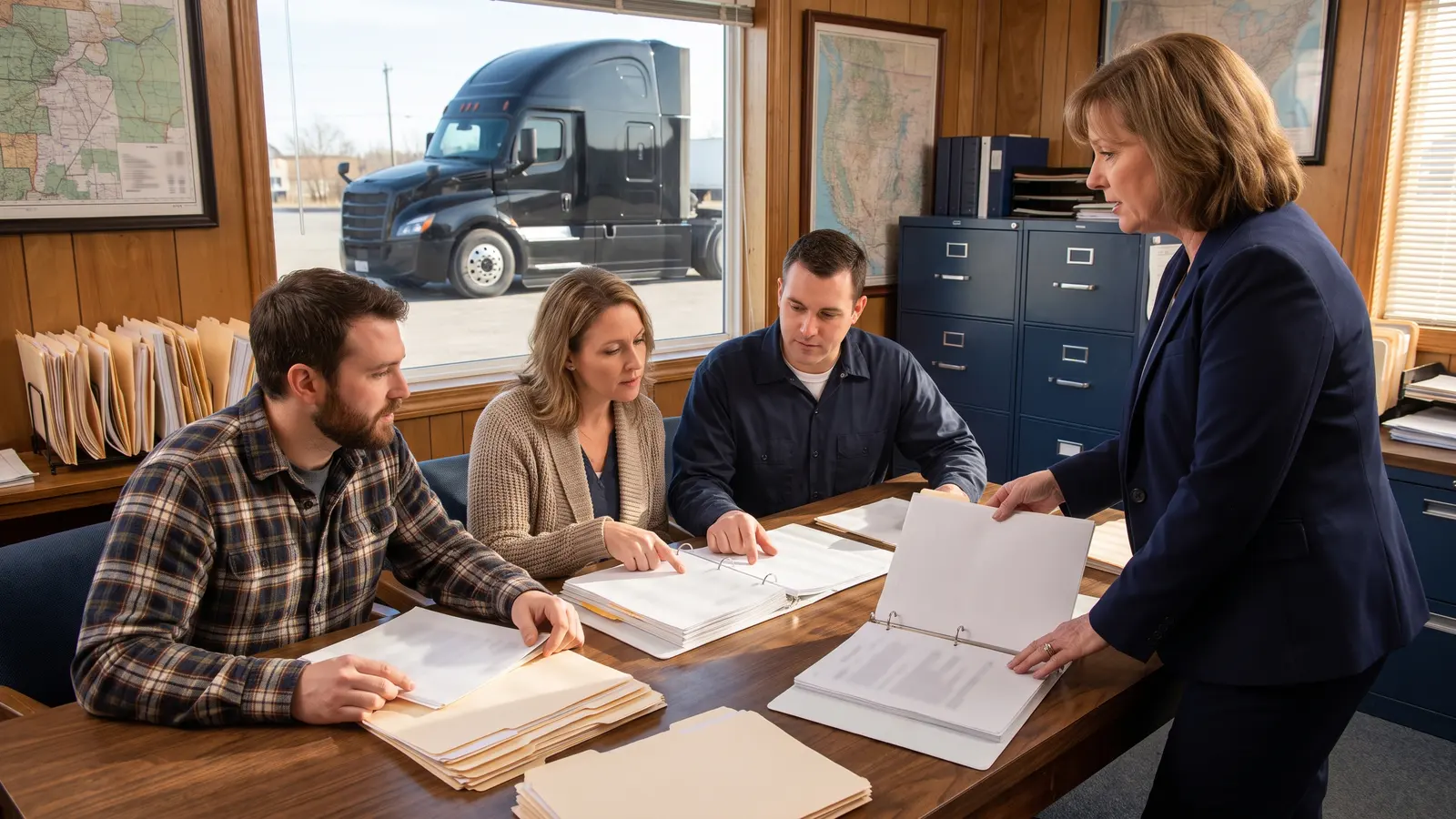
Building and growing trucking companies while you learn
A PLSP doesn't just move loads. A PLSP builds trucking companies. That's the part most training skips, and it's the part that keeps carriers alive.
We call it development. Students are placed into real client companies that LFS is building or managing, as case studies. You work on their freight research, their compliance and their back office, with experienced people guiding every step. The client gets education behind their company. You get real experience you can't get from a textbook.
You'll learn how a trucking company is started the right way: operating authority, insurance, the first truck, driver files, drug and alcohol programs, maintenance records and the yearly filings that keep a company legal. You'll learn the ten things that kill trucking companies, from slow-paying brokers to growing too fast, and how to watch for each one every week.
No one goes to school to fail. Education behind a company means checks and balances, transparency and better results. See how we work.
- Real client companies as case studies
- Starting a trucking company the right way
- DOT compliance files and audits
- Cash flow, factoring and getting paid
- The ten threats that kill trucking companies
- From one truck to a growing company
A license is not a business. Your service is.
That's something we say in every training. Anyone can pay for a license. What makes a business is the service you give: the research, the honesty, the follow-through and the carrier who keeps calling you back.
We are a carrier-first company, and every PLSP learns to be a carrier-first person. The carrier is the client. The person who owns the truck, makes the payment and carries the risk comes first on every load. Keep your word, keep your deal, freight gets moved.
From your first day to job placement
How the PLSP program works, start to finish, and how you earn your certification.
Apply and talk with us
Send the application. We call you to talk about the program, the schedule, tuition and the next start date. No freight experience is needed.
Virtual live sessions every week
Live, online teaching every week, and each lesson turns into something real you've built with your carrier.
Hands-on work
Work with a real carrier, real brokers and real freight, and on real client companies through development.
The written test
A test on everything you've learned, from freight research and brokering to dispatching, compliance and building trucking companies.
The assessment conversation
A one-on-one conversation where you walk through the work you've done. Pass both and you earn your PLSP certification.
Job placement
Qualified graduates are offered job placement as a freight agent with a brokerage in the LFS network. See freight agent placement.

Freight agent job placement for qualified graduates
Training is only half of it. Qualified PLSP graduates are offered job placement as a freight agent with a freight brokerage in the LFS network.
Every brokerage in the LFS network operates under its own authority, with its own $75,000 financial security, and LFS manages it and keeps it compliant. That means the pieces a new agent needs are in place on day one: active authority, written shipper and carrier contracts, carrier checks, and a back office that bills, follows up on collections and keeps the records a broker must keep.
You'll know the brokerage's name and authority before you sign anything, and your agent agreement, including how you're paid, is in writing. Then you work your shippers, book carriers you've checked, and grow your book of business, with the people who trained you still behind you.
Read more about freight agent placement and how the freight agent program works.
- Job placement for qualified graduates
- Brokerages in the LFS network, each under its own authority
- Authority, contracts and back office in place on day one
- Agent agreement in writing before you start
- Carrier checks on every load
- Your training team still behind you
Who PLSP is for
People come to PLSP from every walk of life. What they share is wanting to learn the freight business the right way.
- People who want freight broker agent training with job placement at the end.
- Anyone asking how to become a freight agent or how to become a freight broker who wants to learn the business before putting up a $75,000 bond or trust.
- Future truck dispatchers who want to dispatch as a professional, carrier first.
- Truck drivers and owner-operators who want to understand the business side of the freight they haul.
- People building a trucking company who want the back office knowledge that keeps a carrier alive.
- Working adults who need online freight broker training, live, in the evening, with real people.
Start your freight broker agent training
Tell us about yourself and what you want to do in freight. We read every application and call you personally to talk about the program, the schedule, tuition and the next start date.
We are a carrier-first company.
Prefer the phone? Call 901-205-9679.
Questions about freight broker agent training
What is freight broker agent training?
Freight broker agent training teaches you to do the work of a freight agent: find shippers, research freight, book carriers you've checked and follow each load until it's delivered and paid. Our PLSP program teaches that hands on, with live carriers and real freight, and adds dispatching and trucking company development.
What is a PLSP?
PLSP stands for Professional Logistics Service Provider. The main job of a PLSP is to keep the carrier alive and grow their business: freight research, better and direct shipper freight, more equipment, more drivers, plus compliance and the back office. A PLSP can work as a freight broker agent and as a dispatcher.
Is dispatcher training separate from freight broker agent training?
No. Freight broker agent training, dispatcher training, freight research, compliance and trucking company development are all taught inside one program: the PLSP program. Every PLSP learns it all. See the PLSP program.
Why won't most brokerages hire a new freight agent?
Most brokerages want an agent with experience and a book of business, meaning shippers and carriers who already work with them. Freight is federally regulated, and a mistake can cost a brokerage money, so most firms won't train someone from scratch. PLSP certification answers both questions: you've been trained on everything a brokerage needs, and you've already worked real freight with real carriers.
How long does it take to become a freight broker agent?
The PLSP program runs about three months, with virtual live sessions every week. You finish with a PLSP certification, and qualified graduates are offered job placement as a freight agent with a brokerage in the LFS network.
Is the training online?
Yes. PLSP runs on virtual live sessions every week, so you can train while you keep your current job. The hands-on work with carriers and client companies is done remotely with our team.
Do I need freight experience to start?
You can start with no freight experience. PLSP explains every term in plain words and builds from how freight moves to booking real loads. Drivers, owner-operators and people with some freight background are welcome too.
Do I need a freight broker license to be a freight agent?
Not to work as an agent. A freight agent books freight under the broker operating authority and $75,000 financial security of the brokerage they work with. You'd need your own broker authority only to broker freight in your own name. When you're ready, LFS builds freight brokerages.
What's the difference between a freight broker and a freight agent?
A freight broker holds its own FMCSA broker authority and the $75,000 bond or trust, and it's responsible for every load booked under its name. A freight agent does the selling and the load work, but books freight under a brokerage's authority. Many brokers start as agents. PLSP trains you for both.
How do I become a freight broker?
To broker freight in your own name, you set up your business, apply to FMCSA for broker operating authority, file your $75,000 BMC-84 surety bond or BMC-85 trust fund, name a process agent on a BOC-3, and register with UCR. Our guide on how to become a freight broker covers each step. A license is not a business, though. Your service is. PLSP teaches you the business first.
How does freight agent job placement work?
Qualified PLSP graduates are offered job placement as a freight agent with a freight brokerage in the LFS network. Each brokerage operates under its own authority and is managed and kept compliant by LFS. You'll know the brokerage and its authority before you sign, and your agent agreement is in writing. See freight agent placement.
How are freight agents paid?
Freight agents are usually paid by commission on the freight they book. Your commission terms are written into your agent agreement with the brokerage and explained before you sign. What an agent earns depends on the freight they book, the shippers they keep and the market.
Will I learn truck dispatching too?
Yes. Every PLSP learns dispatching: planning a truck's week, booking loads in the carrier's name, check calls, paperwork and getting paid, plus where dispatching ends and brokering begins. See truck dispatcher training.
What does carrier first mean?
Carrier first means the trucking company comes first: the person who owns the truck, makes the payment and carries the risk. A carrier-first PLSP checks every broker, puts every rate in writing, shows the carrier every rate confirmation and never takes a load that would hurt the carrier.
How much does PLSP cost, and when does the next class start?
Tuition and the next start date are covered when we talk with you, so we can answer your questions at the same time. Send the application or call 901-205-9679.
How do I get certified?
You complete the program, pass a written test, and pass an assessment conversation where you walk through the real work you've done. Then you earn your PLSP certification: Professional Logistics Service Provider, through Freight University.
More from Logistical Forwarding Solutions
- The PLSP program: Professional Logistics Service Provider
- Truck dispatcher training that makes you more than a dispatcher
- Freight agent placement with LFS
- How the LFS freight agent program works
- How to become a freight broker
- Freight brokerage setup: LFS builds your brokerage
- More than dispatch: logistics support for your trucking company
- How we work: backed by education
Sources
- FMCSA — Broker registration (operating authority)
- 49 CFR 387.307 — Property broker surety bond or trust fund ($75,000)
- FMCSA — Broker and Freight Forwarder Financial Responsibility rule: educational and compliance guide (compliance date January 16, 2026; seven business days to restore security)
- FMCSA — Process agents (BOC-3)
- 49 CFR 371.3 — Records to be kept by brokers