

Truck dispatcher training that makes you more than a dispatcher
Our truck dispatcher training isn't a separate course. It's taught inside the PLSP program: Professional Logistics Service Provider. You learn to dispatch trucks the right way, and you also learn freight brokering and how to build and grow trucking companies, because that's what a Professional Logistics Service Provider does. Live and hands on, with a real carrier beside you.
We are a carrier-first company.
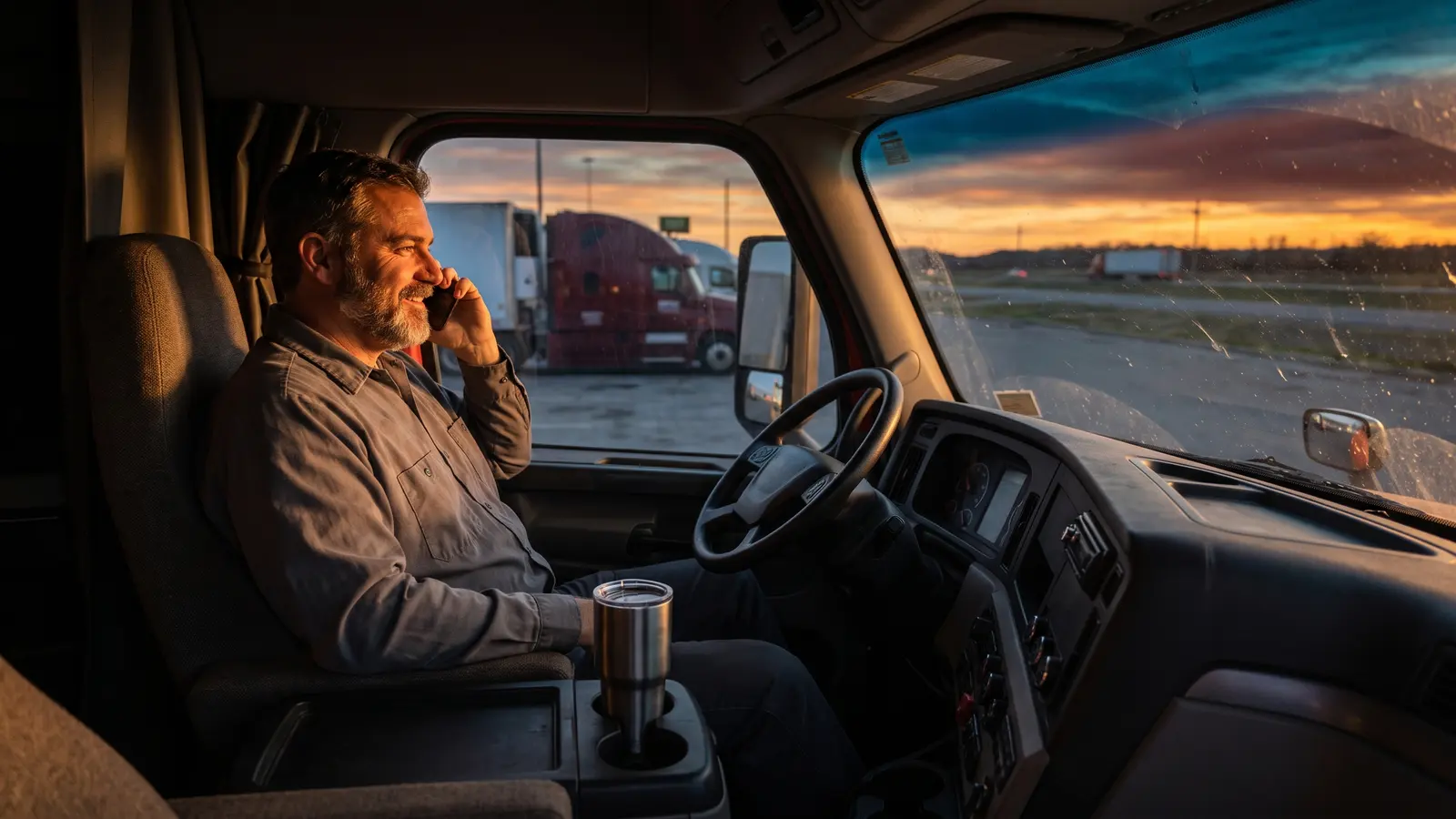
A dispatcher works for the carrier
A truck dispatcher is the person who keeps a truck loaded and moving. You find freight for a trucking company, book it, negotiate the rate, handle the paperwork, check in with the driver along the way, and make sure the carrier gets paid when the load delivers.
The first thing we teach every dispatcher is who you work for. A dispatcher works for the carrier. Not for the broker, not for the shipper. The trucking company that owns the truck and carries the risk is your client, and every decision starts there.
Good dispatching isn't waiting for the phone to ring. A dispatcher doesn't wait. A dispatcher anticipates: where the truck will be empty tomorrow, what freight comes out of there, and how to keep the driver on a schedule they can live with. Communication is the service.
- Find and book freight for the carrier
- Negotiate the rate and read the rate confirmation
- Check calls with the driver on every load
- Paperwork that gets the carrier paid
- The carrier is the client
- A dispatcher anticipates
What you learn in our truck dispatcher training
Every subject is taught live and then put to work with a real carrier. No logistics background needed. We explain every term in plain words.
- How freight moves. Who's who: the shipper with the freight, the trucking company with the truck, the broker in the middle and where the dispatcher fits.
- Getting set up. The dispatch agreement between you and the carrier, in plain parts, and the tools you need before the first load.
- Setting up your first carrier. The carrier packet brokers ask for, factoring set up before the first load, the truck's real cost per mile, and planning the first week around the driver's home time.
- Load boards and booking loads. When to post the truck and when to search, what to say on the call, the questions to ask and how to book the load in the carrier's name.
- The 12 rules of the perfect load. Hours, money, direction, distance, schedule, how often it runs, waiting time, handling, unloading fees, getting paid, safety and paperwork, before you say yes to any load.
- Negotiation. Knowing the carrier's floor, asking for more than the rate (empty miles, waiting time, unloading fees, quick pay), and when to walk away.
- The rate confirmation. Reading the written agreement for a load clause by clause. If it isn't on the rate confirmation, it doesn't exist.
- Hours of service. How a driver's legal hours work, so the plan you make is one the driver can legally run.
- The daily routine. Market, carrier, posting, lanes, check calls and documents, every day, in that order.
- Freight research. Finding where the freight is, learning which brokers hold it, and building lanes out and back so the truck isn't driving home empty.
- Checking brokers. Authority, bond, credit and how fast they pay, before your carrier hauls a single load.
- Getting paid. How factoring works, closing out each load and getting paperwork in fast so the carrier's cash keeps moving.

Plan the truck's week, not just the next load
Most new dispatchers chase the best-looking rate on the board. Then the truck lands somewhere with no freight coming out, sits for a day, and the great rate turns into a bad week.
PLSP dispatchers learn to plan the whole week. Where does this load leave the truck? What freight comes out of there? How many empty miles does it take to get to the next pickup? Will the driver have the legal hours to run it? Will the dock hold the truck for hours? Is this freight every week, or just once?
We teach it plainly: consistent freight in one region, week after week, beats a big rate every now and then. Not a better load. A better week, over and over. That's how a dispatcher keeps a carrier in business.
- Planning a truck's whole week
- Lanes out and back, fewer empty miles
- Matching loads to the driver's legal hours
- Avoiding docks that hold trucks for hours
- Building freight that repeats every week
- A better week, over and over
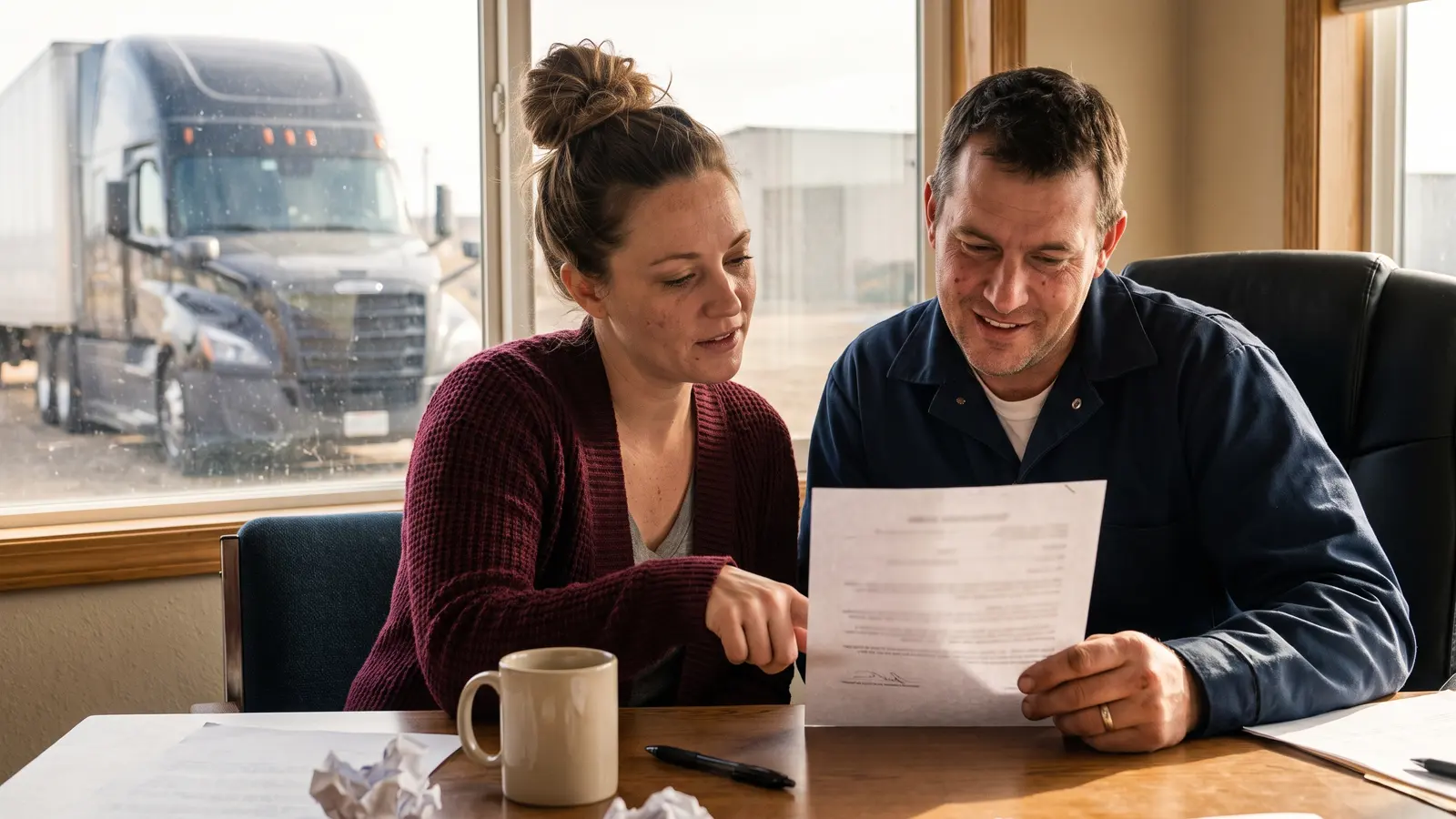
Every rate confirmation shown to the carrier
A lot of carriers have been burned by dispatchers. Hidden rates. Loads booked without asking. Paperwork nobody showed them. That's why our dispatcher training is built on transparency.
PLSP dispatchers book loads in the carrier's name, with the carrier's say on every load. Every rate confirmation is shown to the carrier. The dispatch agreement is in writing, so the carrier knows exactly what you do and how you're paid.
It's the same way our own dispatch service works, and the dispatchers who work our carriers' trucks are trained through this same program. When a carrier knows you'll never hide a number from them, they stay. Consistency always wins.
- Loads booked in the carrier's name
- The carrier's say on every load
- Every rate confirmation shown to the carrier
- Dispatch agreements in writing
- The same training behind our dispatch team
- Carriers who stay
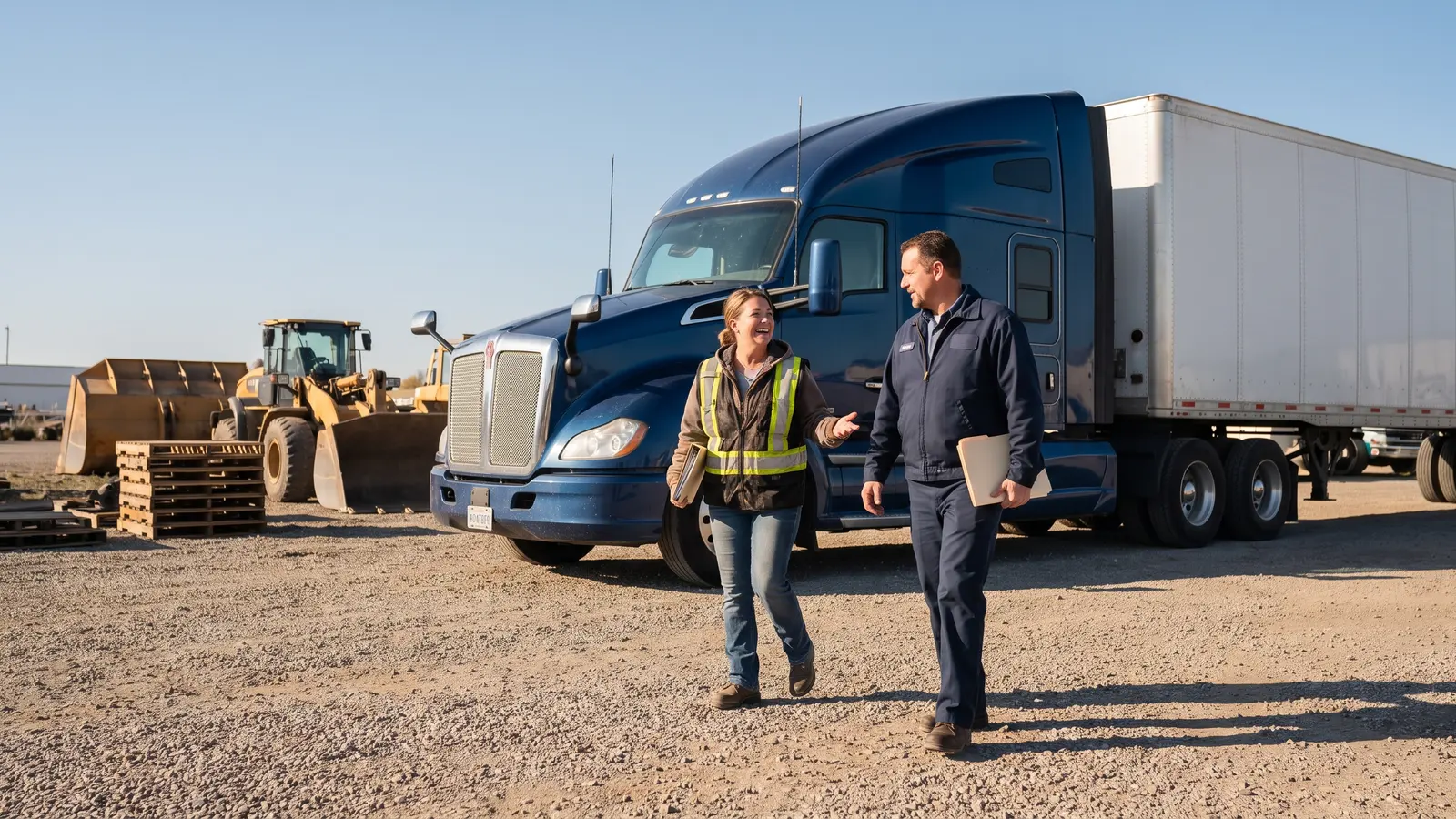
Dispatchers who broker freight and build trucking companies
Here's what makes our dispatcher training different. You don't just learn dispatching. You learn freight brokering and how to build trucking companies, because that's what being a Professional Logistics Service Provider means.
A dispatcher who only knows the load board can keep a truck busy for a while. A PLSP can research the freight, find direct shipper freight, check every broker, keep the carrier legal, set up factoring, help the carrier add equipment and find more drivers, and help a one-truck operation grow into a real company. That's the difference between a dispatcher and someone who keeps trucking companies alive.
We say it in every training: a license is not a business. Your service is. Anyone can buy paperwork. The business is the service you give a carrier, every day, on every load.
When you're certified, you can dispatch, work as a freight agent with job placement for qualified graduates, or help build trucking companies through our trucking company development work. See the full PLSP program.
- Dispatching, done the right way
- Freight brokering and freight agent work
- Building trucking companies from the first truck
- Compliance that keeps carriers legal
- Keeping trucking companies alive
- A license is not a business. Your service is.
The line every dispatcher has to know
This is the part most dispatcher courses skip, and it can cost a new dispatcher everything.
Under federal rules, a dispatcher who works as a true agent of a trucking company doesn't need broker authority. But a dispatcher who works for several carriers and decides which carrier gets which load can cross into brokering, and brokering without authority is against federal law. FMCSA's 2023 guidance on brokers and bona fide agents explains that the answer depends on the facts: what your agreements say, how much control the carrier has, and whether you're choosing which truck a load goes on.
As we teach it: the question is never what you call yourself. It's whether you chose which truck the load went on. Handling money between shippers and carriers points toward brokering too.
That's why every PLSP dispatcher learns brokering. At Freight University, a dispatcher is a broker doing dispatch. You'll know exactly where the line is, how to write a dispatch agreement that stays on the right side of it, and when the work you're doing needs a brokerage's authority behind it.
How to become a truck dispatcher with PLSP
From your first conversation with us to dispatching your first carrier.
Apply and talk with us
Send the application. We call you to talk about the program, the schedule and the next start date. No experience needed.
Find your carrier
Early in the program you find a real carrier, an owner-operator or small fleet, and carry them all the way through.
Learn and research
Freight research, compliance and checking brokers come first, before you book anything.
Dispatch for real
Set up your carrier, book loads, negotiate rates, make check calls and close out the paperwork, with our team beside you.
Get certified
Pass the written test and the assessment conversation to earn your PLSP certification.
Put it to work
Dispatch, work as a freight agent with job placement for qualified graduates, or help build trucking companies.
Start your truck dispatcher training
Tell us about yourself and what you want to do in freight. We read every application and call you personally to talk about the program, the schedule and the next start date.
We are a carrier-first company.
Prefer the phone? Call 901-205-9679.
Questions about truck dispatcher training
What is truck dispatcher training?
Truck dispatcher training teaches you to find and book freight for trucking companies, negotiate rates, plan a truck's week, handle the paperwork and get the carrier paid. Ours is taught inside the PLSP program, so you also learn freight brokering and how to build and grow trucking companies.
How do I become a truck dispatcher?
Learn how freight moves, how to research freight, how to check brokers, how to book and negotiate loads, and where the legal line is between dispatching and brokering. Then work with a real carrier. The PLSP program covers all of it, live and hands on, with certification at the end.
How long is the dispatcher training?
Dispatcher training is part of the PLSP program, which runs about three months with virtual live sessions every week, so you can train while you keep your current job.
Do I need experience to become a truck dispatcher?
No. You can start with no freight experience. We explain every term in plain words and build from how freight moves to dispatching a real carrier.
Is the dispatcher training online?
Yes. Sessions are live and online, and the hands-on work with your carrier is done remotely with our team beside you.
Does a truck dispatcher need a broker license?
It depends on how you work. A dispatcher acting as a true agent of a carrier doesn't need broker authority. A dispatcher who works for several carriers and decides which carrier gets which load may need it, according to FMCSA's 2023 guidance. PLSP teaches you exactly where that line is.
Why does dispatcher training include freight brokering?
Because a Professional Logistics Service Provider can do the whole job. Knowing brokering makes you a better dispatcher, keeps you on the right side of federal rules, and opens the door to work as a freight agent. At Freight University, a dispatcher is a broker doing dispatch.
Will I learn how to build a trucking company?
Yes. Every PLSP learns how a trucking company is started the right way and how to keep it alive: compliance, cash flow, factoring and the ten threats that kill small carriers. A license is not a business. Your service is.
Do I get a dispatcher certification?
You earn the PLSP certification: Professional Logistics Service Provider. It covers dispatching, brokering, freight research, compliance and building trucking companies, and you earn it by passing a written test and an assessment conversation on your real work.
What can I do after dispatcher training?
Dispatch for carriers, work as a freight agent (qualified graduates are offered job placement with a brokerage in the LFS network), or help build trucking companies. Tuition and start dates are covered when we talk with you. Send the application or call 901-205-9679.