Truck dispatching is the work of finding, booking and managing loads for a trucking company's trucks. A dispatcher looks for freight that fits the truck, checks the rate and the broker, books the load under the carrier's own authority, keeps the driver and broker on the same page, and gets the paperwork ready so the load can be billed.
For an owner-operator, a good dispatcher is a second set of hands in the office while you are behind the wheel. This article covers what dispatch should include, how it is usually paid, the rules that still sit with you as the carrier, and how to choose a dispatch service. If you want to become a dispatcher yourself, that training lives at Freight University.
What is truck dispatching?
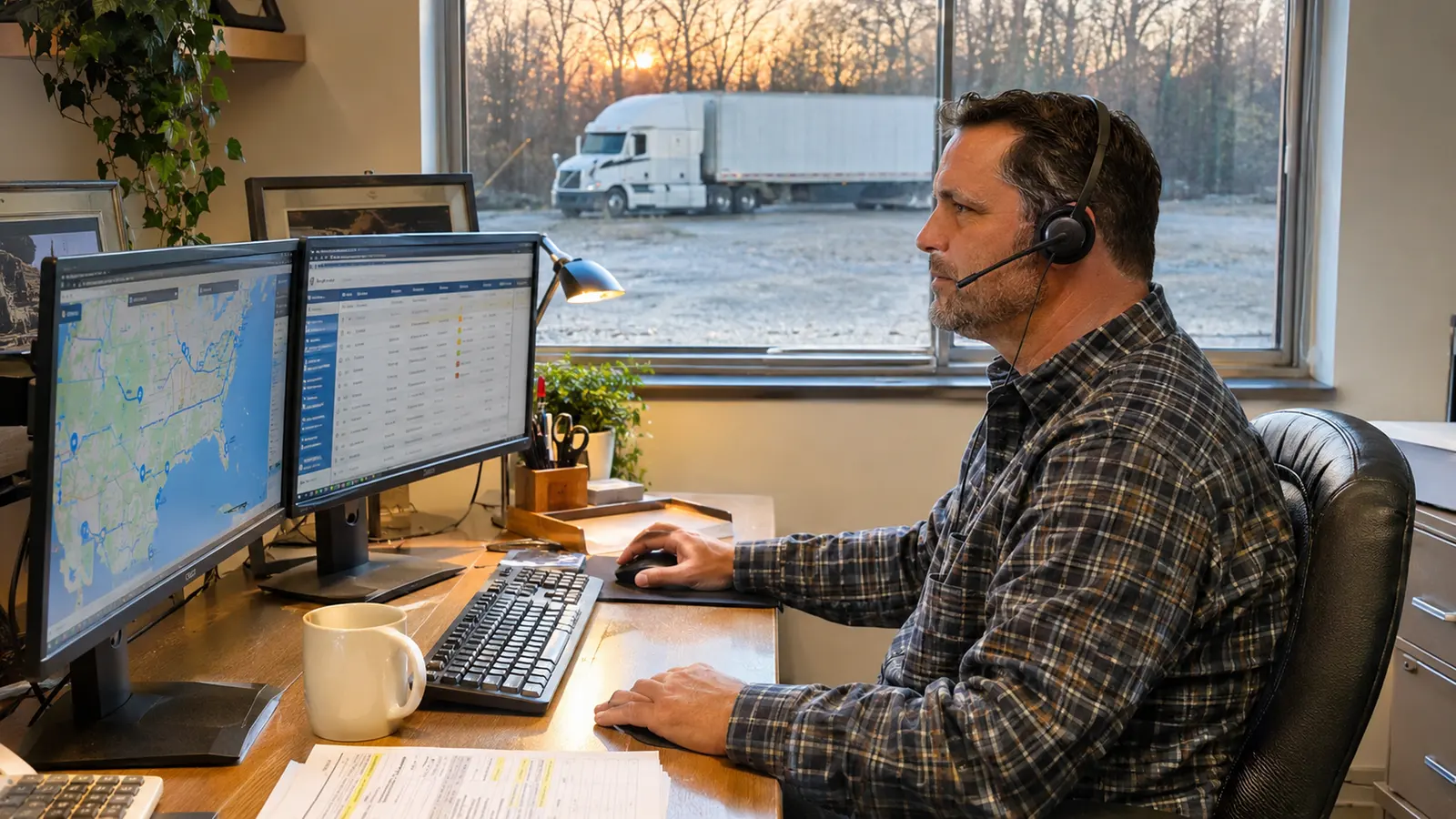
Truck dispatching is planning and booking the freight a truck hauls. The dispatcher searches load boards and broker contacts, matches loads to the truck's equipment, lanes and hours, negotiates the rate, books the load in the carrier's name and follows it from pickup to delivery. The carrier keeps its authority and its decisions.
Picture a one-truck owner-operator with a 53' dry van delivering in Atlanta on a Thursday afternoon. Before the trailer is empty, somebody has to know where the next load is, what it pays, whether the broker pays on time, and whether the driver has the hours to make the pickup. Doing that from the cab while driving isn't safe, and it isn't legal to be on the phone the whole way. That is the job a dispatcher does.
What does a truck dispatcher do for an owner-operator?
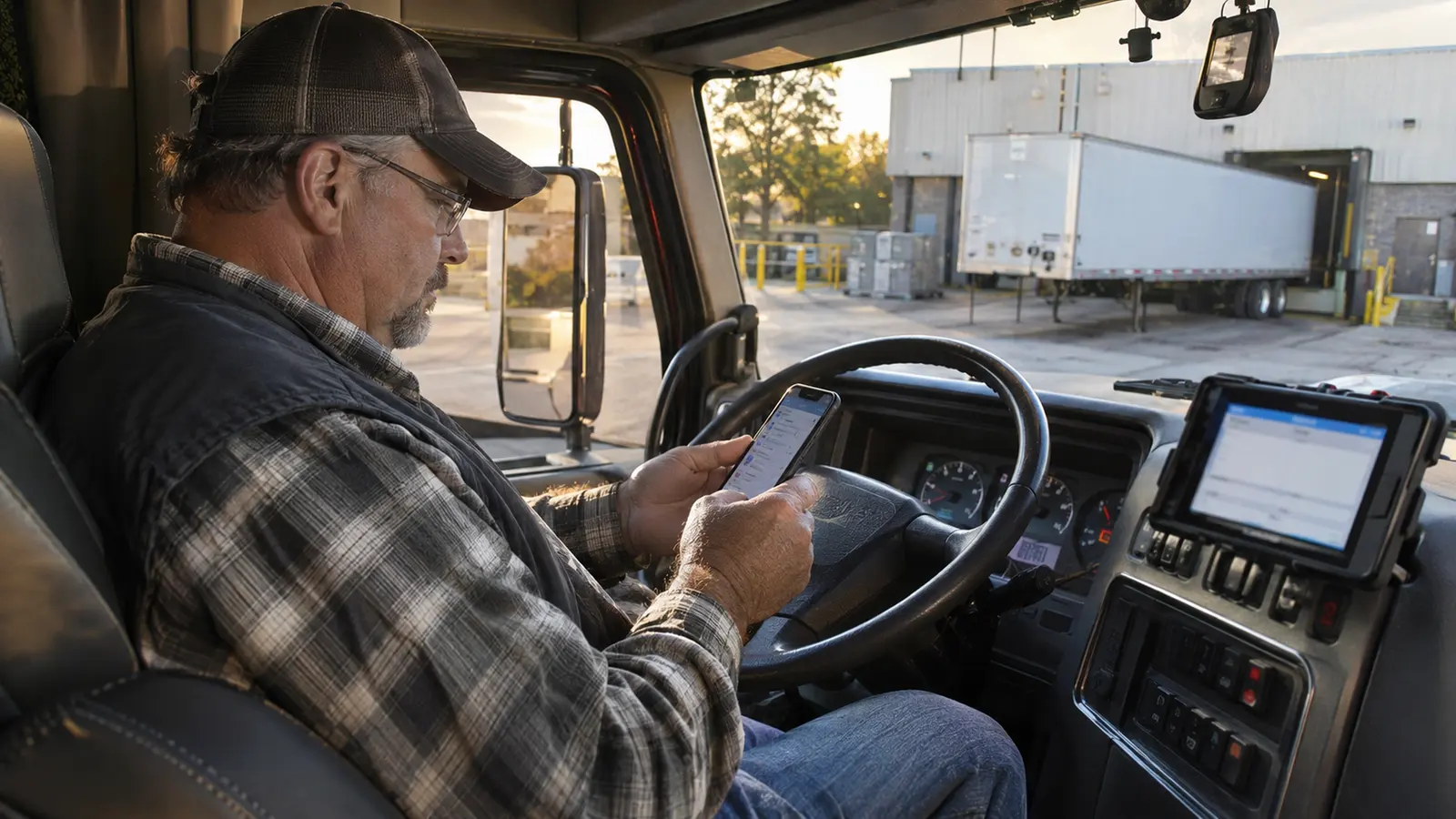
A dispatcher handles the office side of each load so the driver can drive. On a typical load that means:
- Looking for loads that fit the truck, the lane, the driver's hours and the home time the driver needs
- Checking the broker's authority, credit and payment history before booking
- Negotiating the rate and reading the rate confirmation line by line before anyone signs it
- Filling out broker setup packets so the carrier can be booked
- Sending the driver pickup and delivery details, appointment times and reference numbers
- Handling check calls, delays, detention and lumper receipts while the load is moving
- Collecting the signed bill of lading and proof of delivery so the load can be invoiced
The last step matters more than most people think. A load isn't finished when it delivers. It is finished when it is paid. We cover that whole chain in The Flow of the Load.
Do I need a dispatcher, or can I dispatch my own truck?
Plenty of owner-operators dispatch their own truck, and it can work well if you have the time, the discipline and a good handle on rates and brokers. Most owner-operators bring in dispatch help when booking loads starts cutting into drive time, rest or home time, or when the truck keeps sitting between loads.
A simple test: look at your last month. Count the hours the truck sat empty waiting on a load, and the loads you took because you were tired of looking. If those numbers are bigger than you'd like, the office side of your business needs help.
How do truck dispatch services charge?
Most dispatch services charge a percentage of each load's gross, and some charge a flat weekly fee per truck. Before you sign, get the fee in writing, know exactly what it covers, and make sure you see every rate confirmation so you know what each load really paid.
A low fee that only covers booking can cost more than a higher fee that also covers broker checks, billing paperwork and lane planning. Compare what you get, not only the percentage. Our dispatch service includes freight research, broker vetting, billing paperwork and compliance support.
Who controls the load: you or the dispatcher?
You do. The loads are hauled under your company's operating authority, so the decisions stay yours: which loads to take, which brokers to work with and what rate is acceptable. A good dispatcher brings you options and recommendations. You should be able to turn down any load, and you should see every rate confirmation.
Whether a dispatch arrangement is set up legally depends on how the dispatcher works for you. Federal rules separate brokers from a carrier's bona fide agents, and the difference matters. We explain the line, with FMCSA's guidance, in Are Truck Dispatchers Legal?
What safety rules apply to truck dispatching?
The carrier is responsible for hours of service, vehicle condition and safe operation, no matter who books the load. Federal rules also prohibit a motor carrier and its agents from coercing a driver to break safety rules, such as running past legal driving hours or driving a truck with an out-of-service defect.
In plain terms: a dispatcher should never plan a load that only works if the driver runs out of hours, skips a required break, speeds or drives a truck that should be in the shop. FMCSA's coercion rule, 49 CFR 390.6, covers motor carriers, shippers, receivers and brokers, along with their agents. Hours of service are covered in 49 CFR Part 395, and we break the limits down in How Many Hours Can a Truck Driver Drive?
What are the red flags in a dispatch service?
Be careful with a dispatch service that:
- Won't show you the rate confirmation, or sends you a different number than the broker paid
- Asks for a large upfront fee before booking a single load
- Wants your FMCSA portal login, your email password or control of your factoring account
- Books loads in its own name instead of yours, or asks to be paid by the broker directly
- Promises a weekly gross or a set number of miles
- Pushes loads that don't fit your hours, your equipment or your home time
If a broker or dispatcher leaves you with an unpaid load, or you think your company was used in a double-brokering scheme, FreightBrokerComplaint.com reviews carrier complaints for free.
What should I ask a dispatcher before I sign?
Ask these before you sign anything:
- What is your fee, and what exactly does it include?
- Will every load be booked in my company's name, and will I see every rate confirmation?
- How do you check a broker before booking?
- Who handles the bill of lading, proof of delivery and invoice paperwork?
- How do you plan around my hours, my maintenance and my home time?
- How do I end the agreement, and what happens to loads already booked?
Get the answers in a written agreement. If a dispatcher can't answer them plainly, keep looking.
Is good dispatch enough to keep a trucking company profitable?
Dispatch is one step in running a trucking company. The steps around it matter just as much: knowing where the freight is before the truck rolls, billing the same day the load delivers, following every invoice until it is paid, and keeping your compliance files current so brokers can keep booking you.
Dispatch that stops at booking the next load can keep a truck busy without making money. We wrote about that problem in Freight Researcher vs Dispatcher. The full picture of how a small carrier's office should run is on our trucking company management page.
How does LFS handle truck dispatching?
Our dispatch service is for owner-operators and small fleets running 53' dry vans and reefers. Every load is booked in your company's name under your own authority, and every rate confirmation is shared with you. Dispatch comes with freight research, broker vetting, billing paperwork and compliance support, done by dispatchers trained through Freight University.
If you want to learn the work yourself, Freight University covers it in Become a Truck Dispatcher. If a dispute ever needs a lawyer, the National Transportation Attorney Network lists transportation attorneys by state.
Sources
Questions and answers
What is truck dispatching?
Truck dispatching is finding, booking and managing loads for a trucking company's trucks. The dispatcher matches freight to the truck's equipment, lanes and hours, checks the broker, negotiates the rate, books the load in the carrier's name and follows it through delivery and paperwork.
How much does a truck dispatch service cost?
Most dispatch services charge a percentage of each load's gross, and some charge a flat weekly fee per truck. Compare what the fee covers, not only the number. Booking alone is worth less than booking plus broker checks, billing paperwork and lane planning.
Can a dispatcher book loads in their own name?
A carrier's loads should be booked in the carrier's name, under its own authority, with the rate confirmation shared with the carrier. A dispatcher that books in its own name or takes payment from the broker may be acting as an unregistered broker. See FMCSA's guidance on bona fide agents.
Is the dispatcher responsible for hours of service?
The motor carrier is responsible for hours of service. A dispatcher acting for the carrier should plan loads the driver can run legally, and federal rules prohibit carriers and their agents from coercing a driver to break hours-of-service or other safety rules.
Should an owner-operator dispatch their own truck?
Many owner-operators do, and it works when they have time, rate knowledge and discipline. Dispatch help makes sense when booking loads cuts into driving, rest or home time, or when the truck sits empty too long between loads.
Logistical Forwarding Solutions. A carrier-first company.